Urumqi, Xinjiang: The Geographic Center of the Asian Continent
Urumqi is the capital of the Xinjiang Uyghur Autonomous Region, and the world’s most landlocked major city (about 2,500 km from any ocean). The name comes from Mongolian for “beautiful pasture.”
The Geographic Center of Asia
In Urumqi’s southern suburbs stands a monument marking the “Geographic Center of the Asian Continent.” The site is measured as the geometric center of the Eurasian landmass. The monument is 22 meters tall, surrounded by open Gobi. Most visitors buy a “I have been to the Asian Heart” certificate.
The International Bazaar
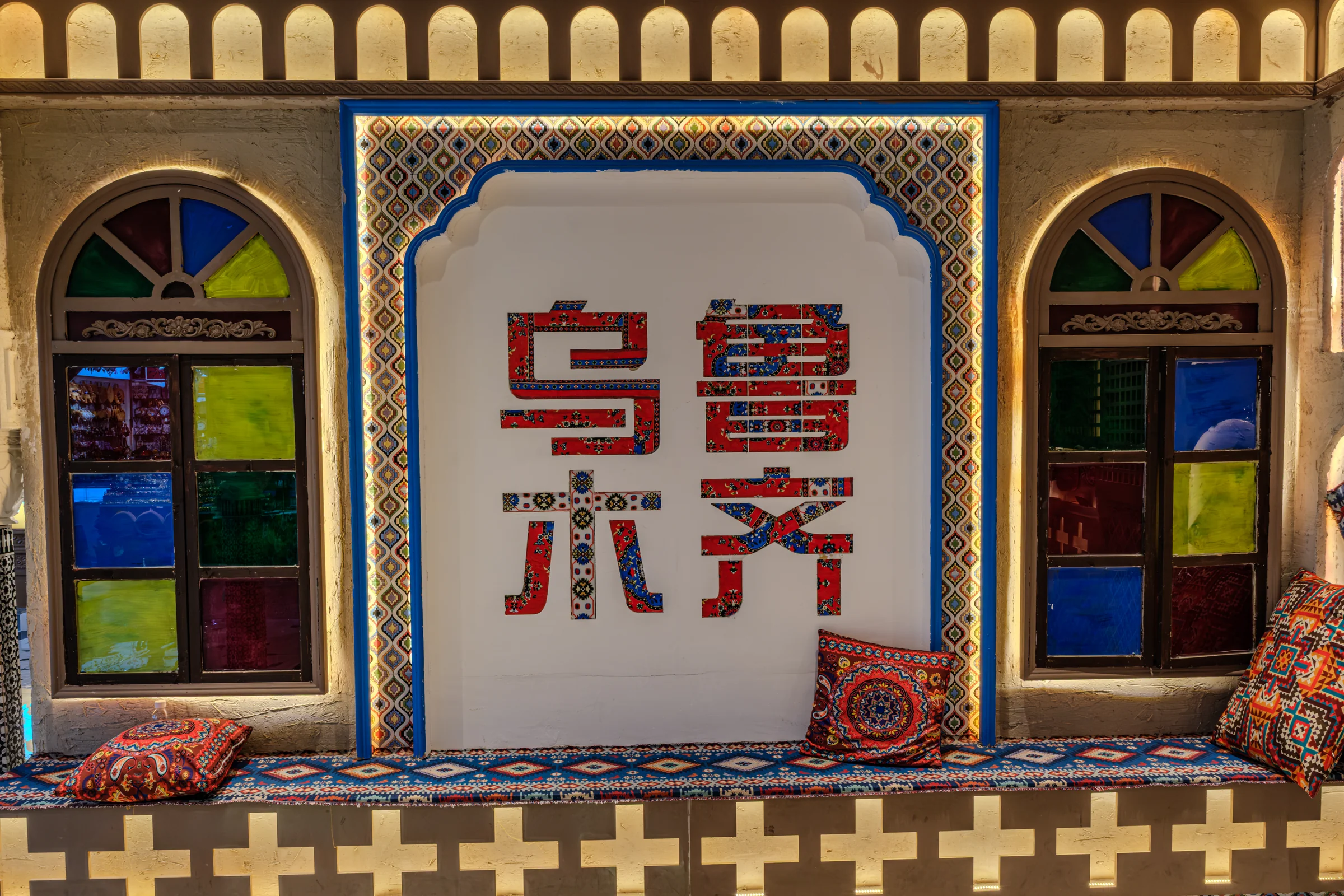
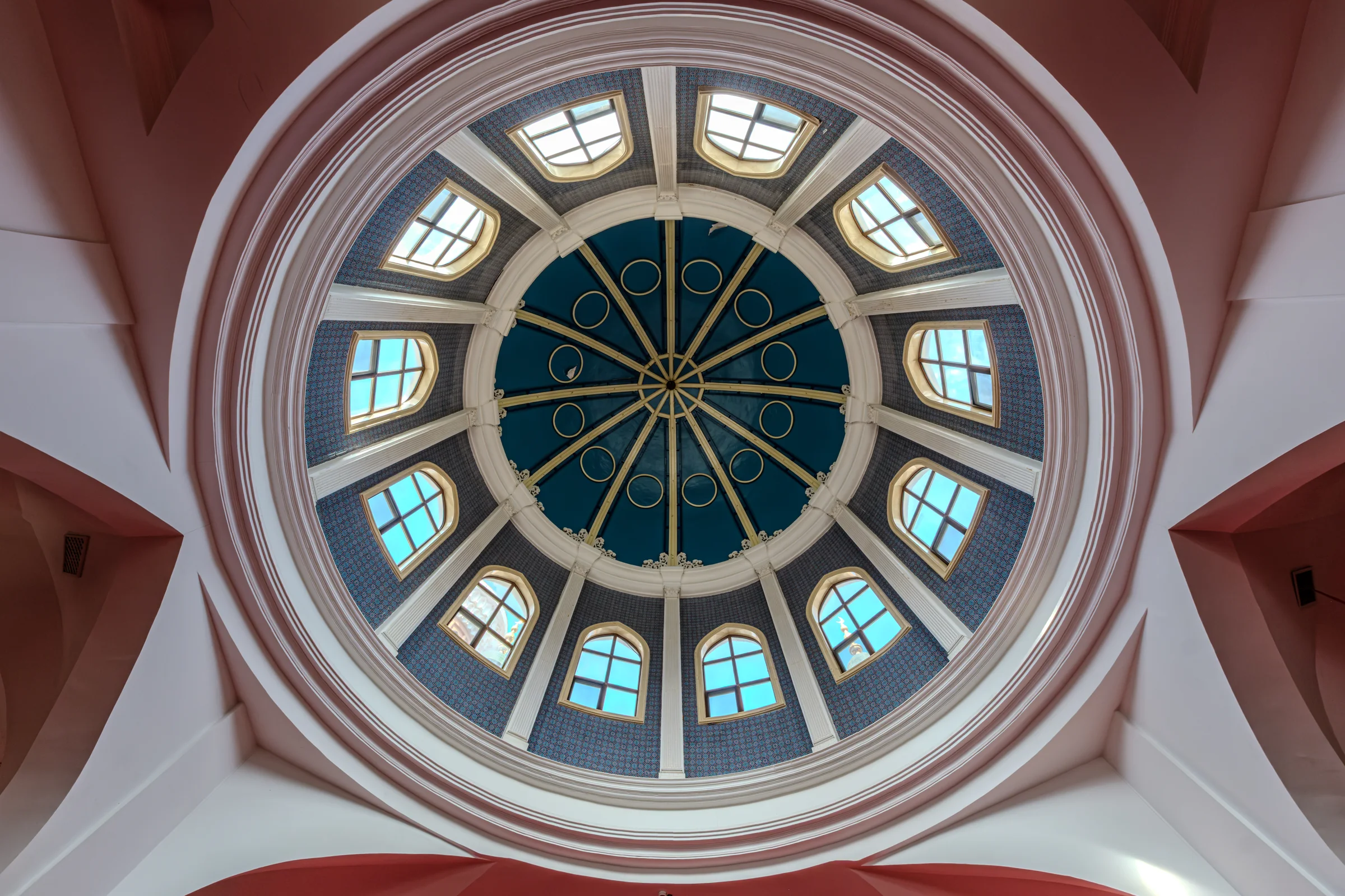
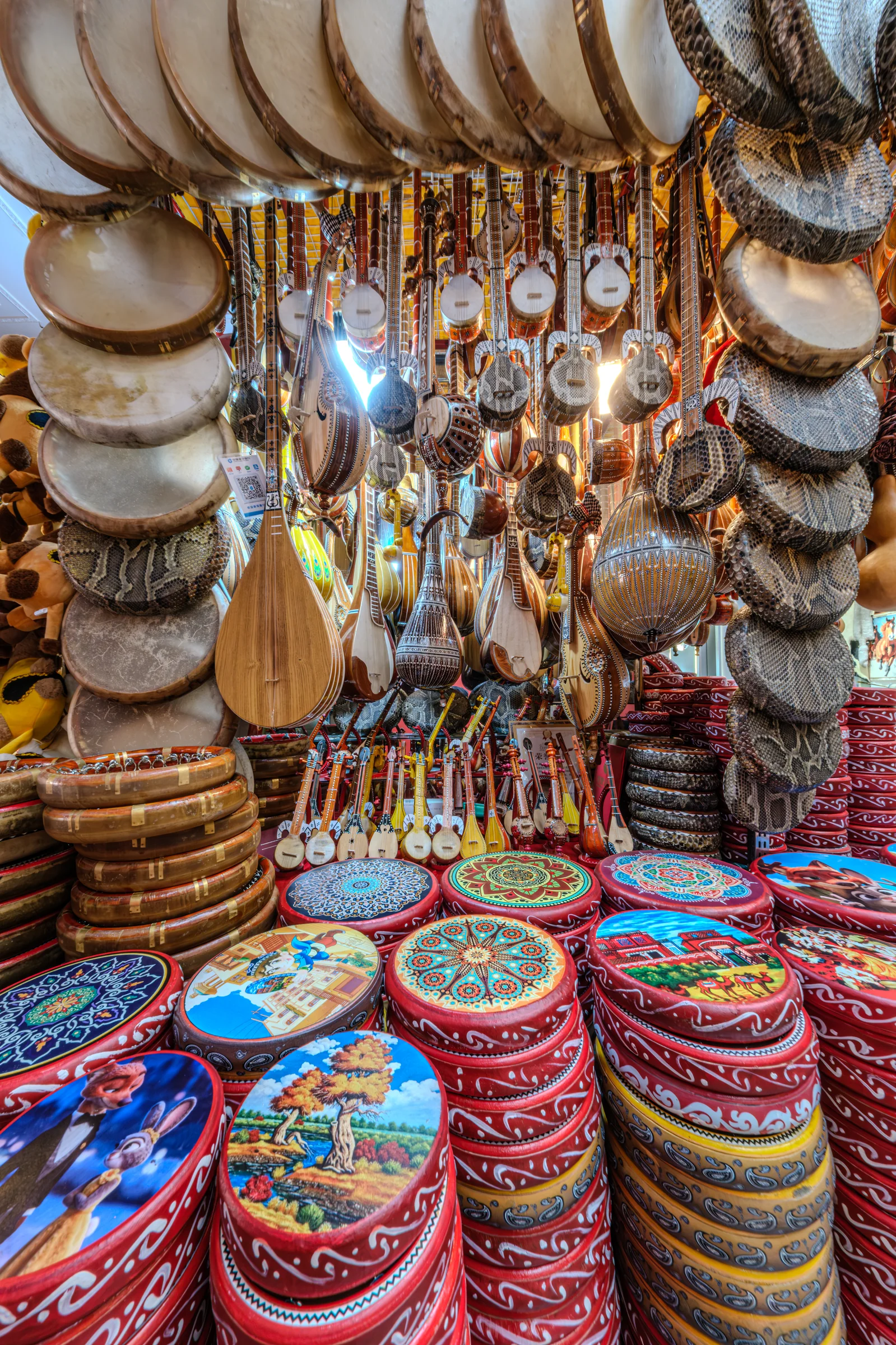
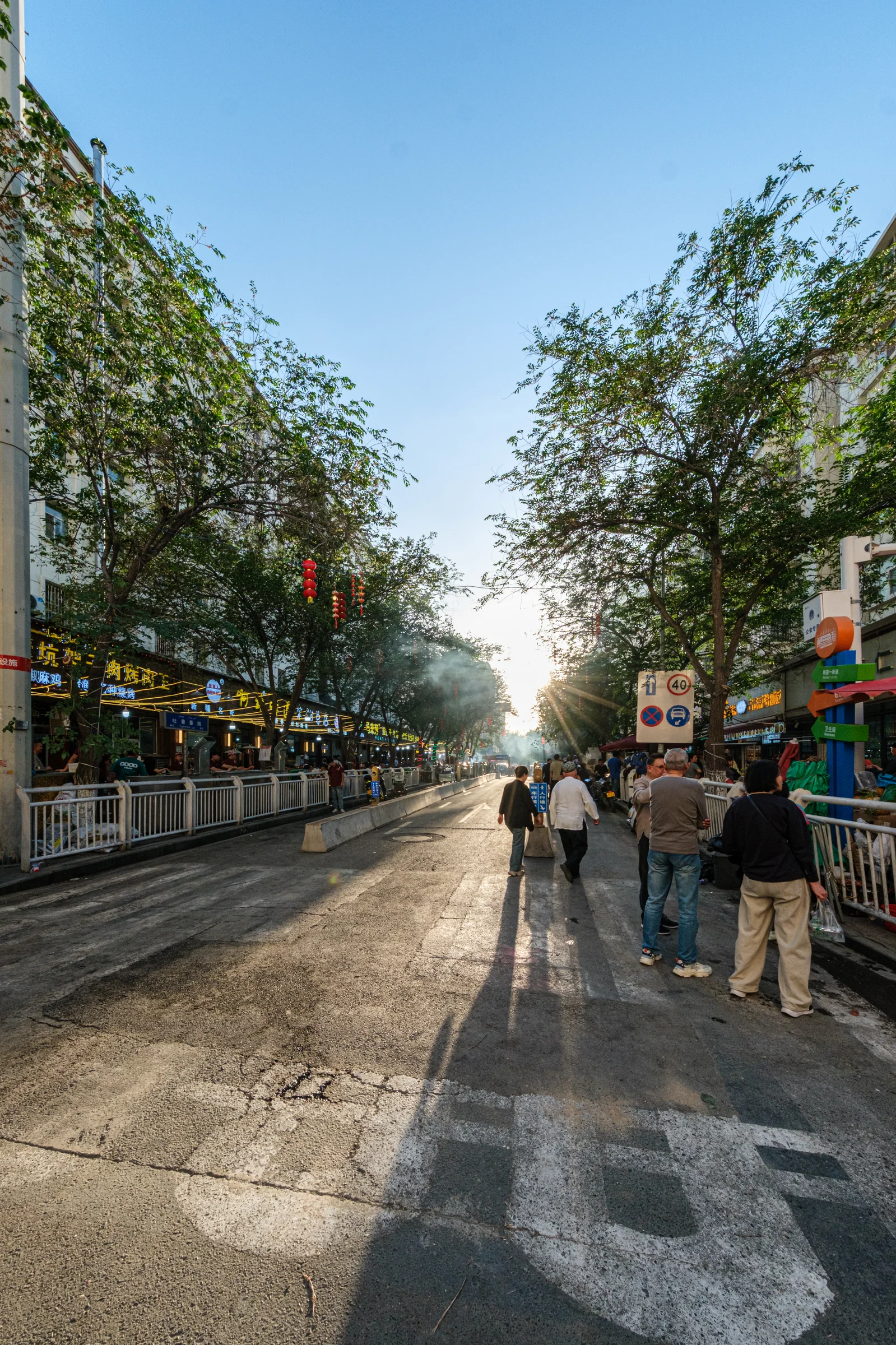
The Xinjiang International Bazaar is one of the world’s largest bazaars by scale. “Bazaar” comes from the Uyghur word for “market.” This bazaar was built in 2003, an Islamic-style architectural complex housing Uyghur carpets, knives, jewelry, musical instruments, and dried fruits — plus dedicated song-and-dance restaurants for tourists.
People mostly come for the atmosphere. Evenings are busiest, with tourists and locals of all ethnicities mixing, conversations in many languages echoing. The smoke from grilled meat skewers drifts from every corner.
Nanshan (South Mountain)
Nanshan Pasture is about 60 km south of Urumqi, at 2,000-2,500 meters elevation, the summer pasture of Kazakh herders. Snow mountains, forests, grasslands, yurts — the Xinjiang version of the “high-mountain pasture” experience.
From Urumqi, self-drive or hire a car for 1.5-2 hours. You can day-trip or stay in a Kazakh yurt to experience horseback riding.
Urumqi is the core hub for Xinjiang travel — nearly every Xinjiang trip starts or ends here. The city itself has its own beauty — a modern city at the foot of the Tien Shan, contrasting with distant snow mountains and the Gobi.

