Istanbul, Turkey: Where East and West Collide
Istanbul (formerly Constantinople) is the only major city in the world that spans two continents — the European and Asian halves connected by the Bosphorus strait and a few bridges.
The Old City
The Old City (Sultanahmet) is a UNESCO World Heritage district of Byzantine and Ottoman history. The Blue Mosque (Sultan Ahmed Mosque) and Hagia Sophia face each other across a single square — the former the pinnacle of 17th-century Ottoman architecture, the latter a 6th-century Byzantine masterpiece.
The Blue Mosque gets its name from over 20,000 blue Iznik tiles inside. Hagia Sophia is more of a “living museum” — built as a church, converted to a mosque, then a museum, then a mosque again. The walls carry both Christian mosaics and Islamic calligraphy.
The Bosphorus
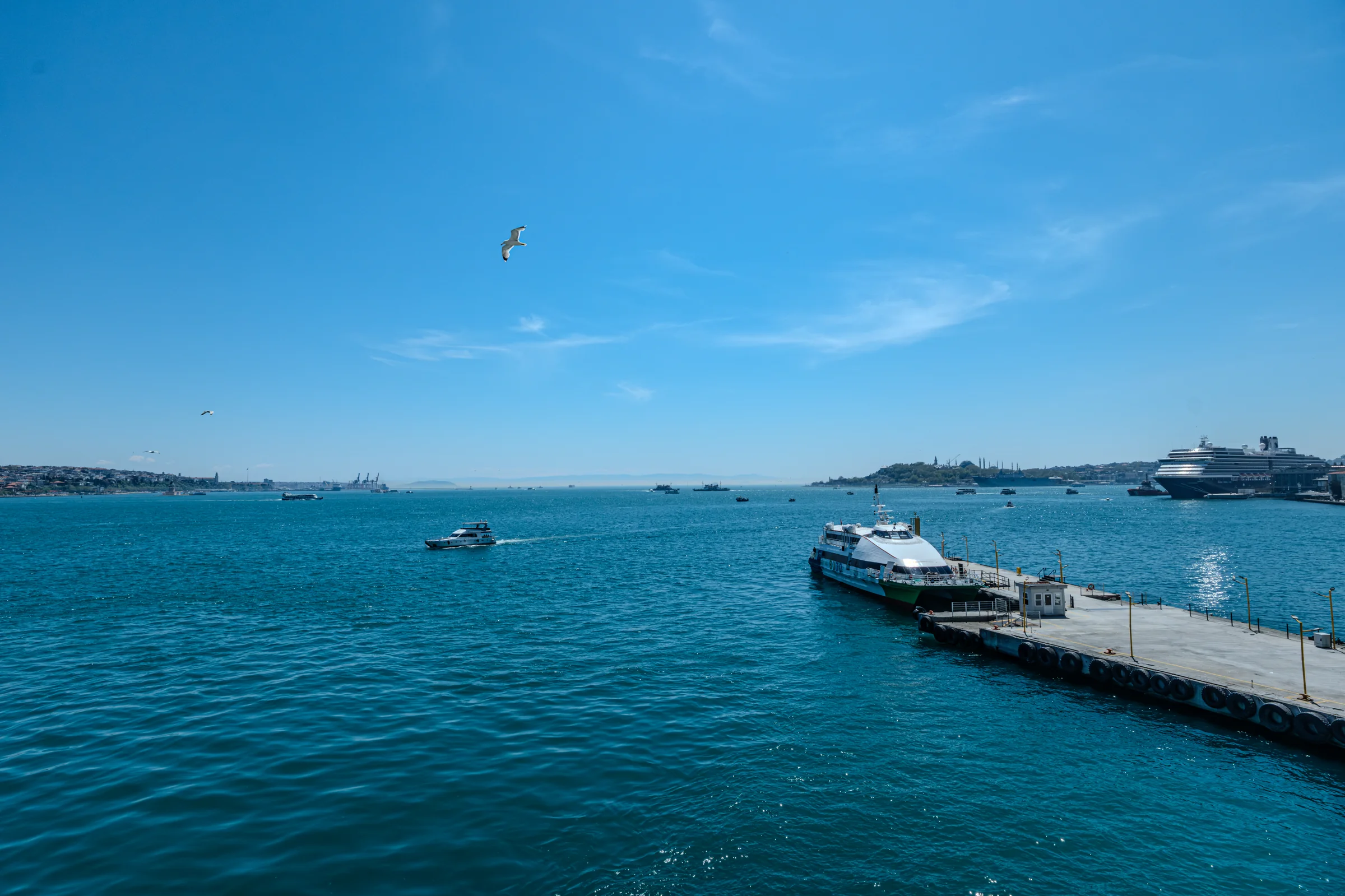
The Bosphorus is the narrow strait connecting the Black Sea to the Sea of Marmara, only 700 meters across at its narrowest. Europe on one bank, Asia on the other.
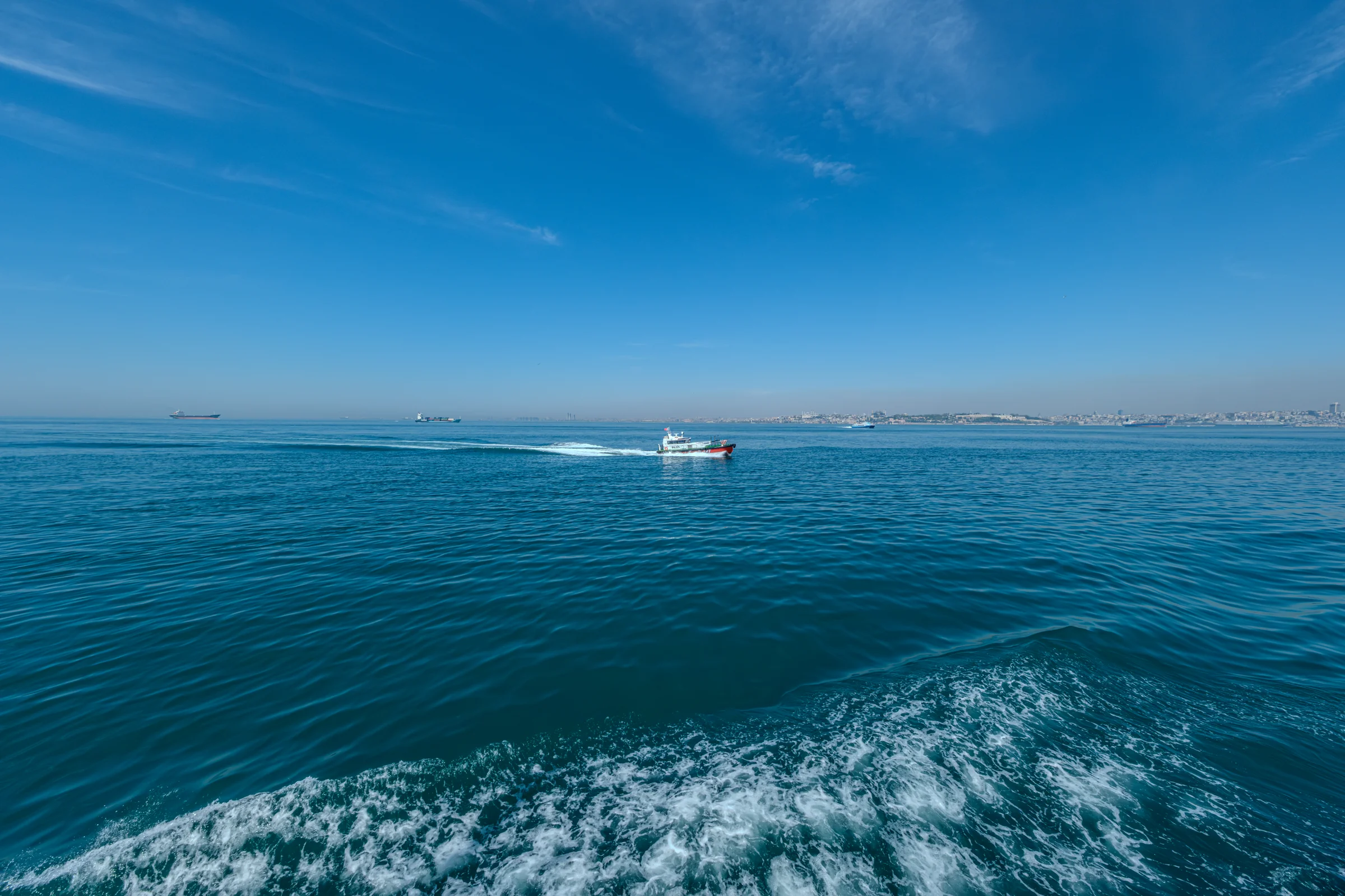
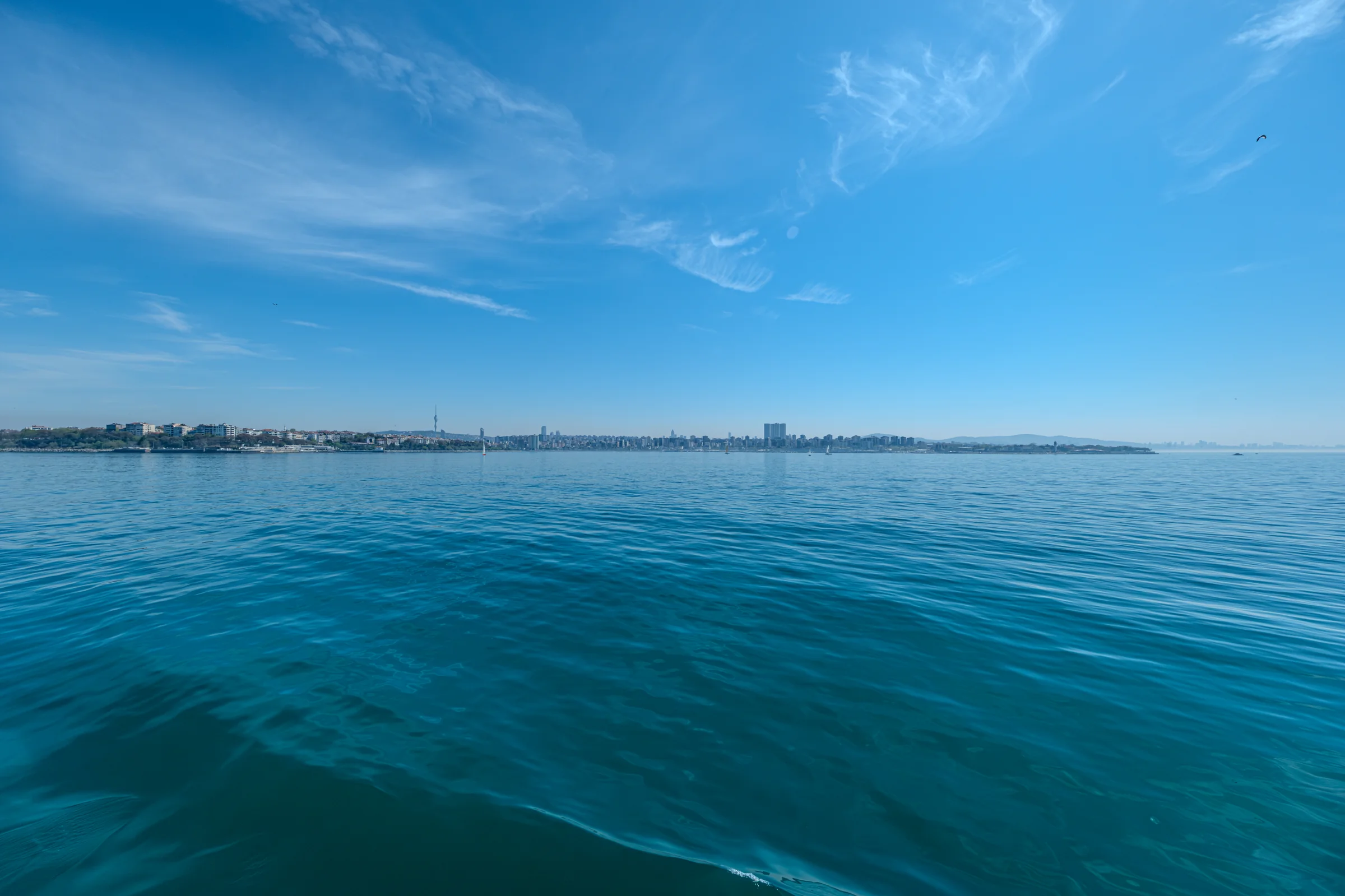
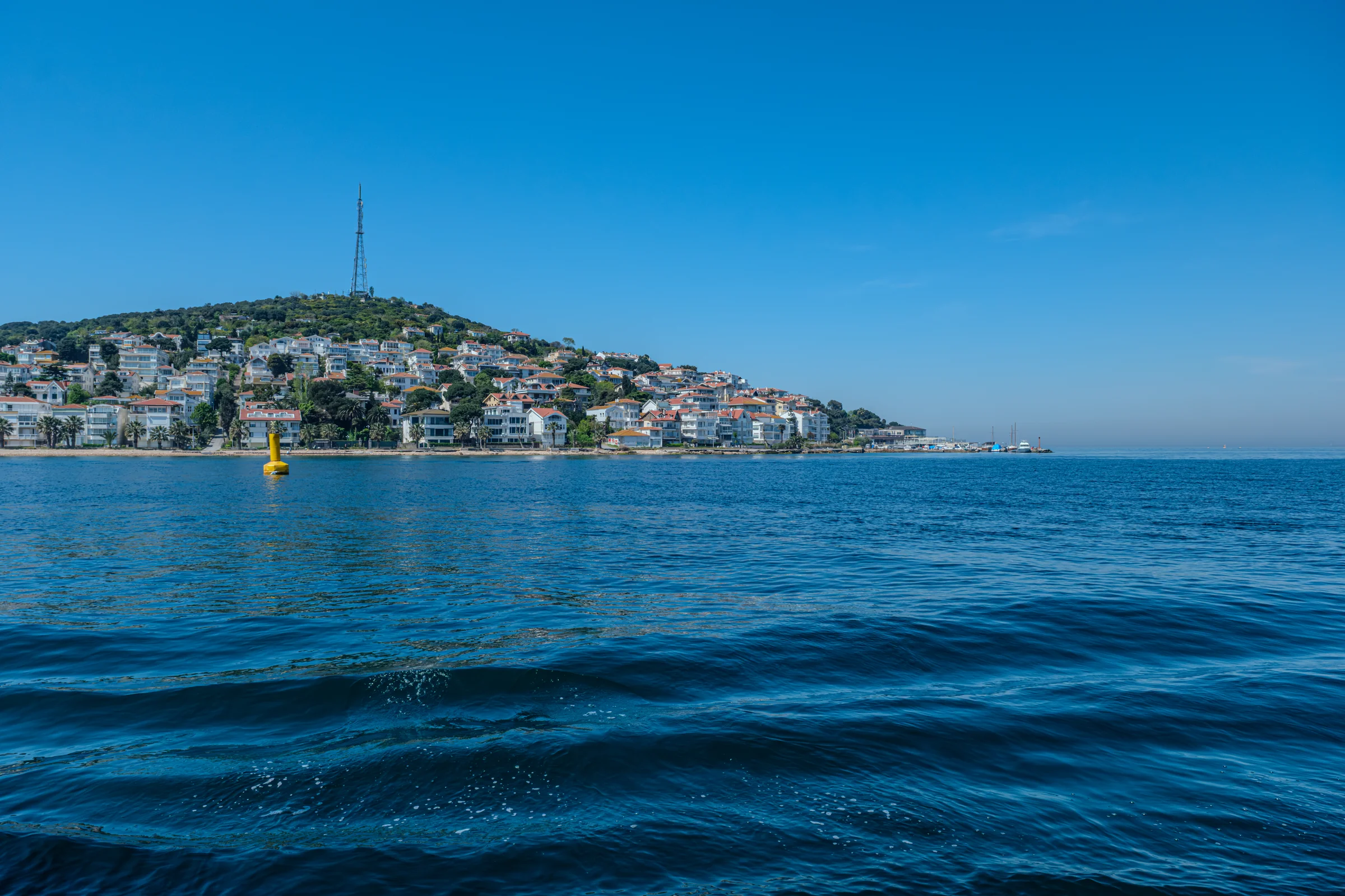
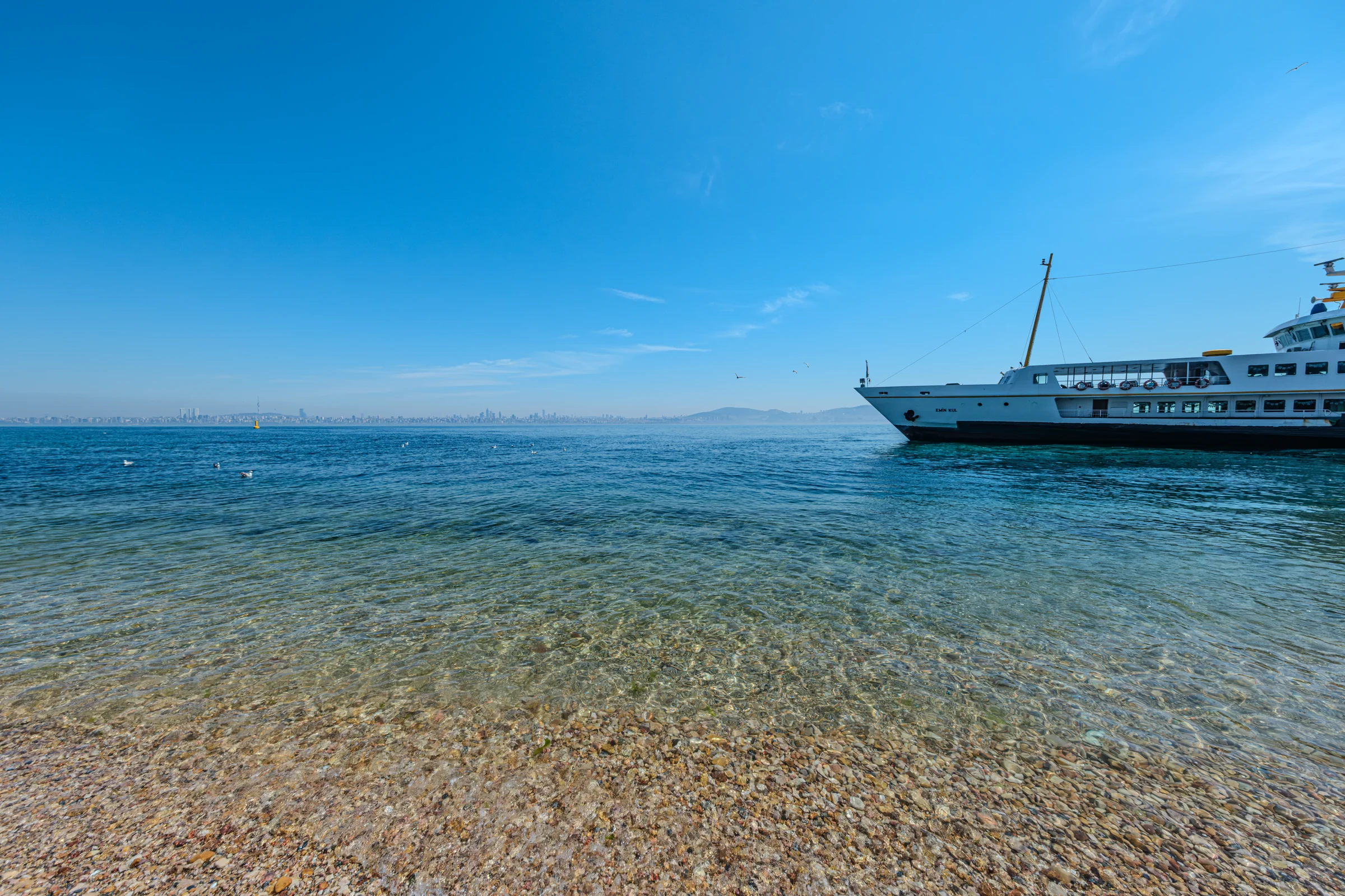
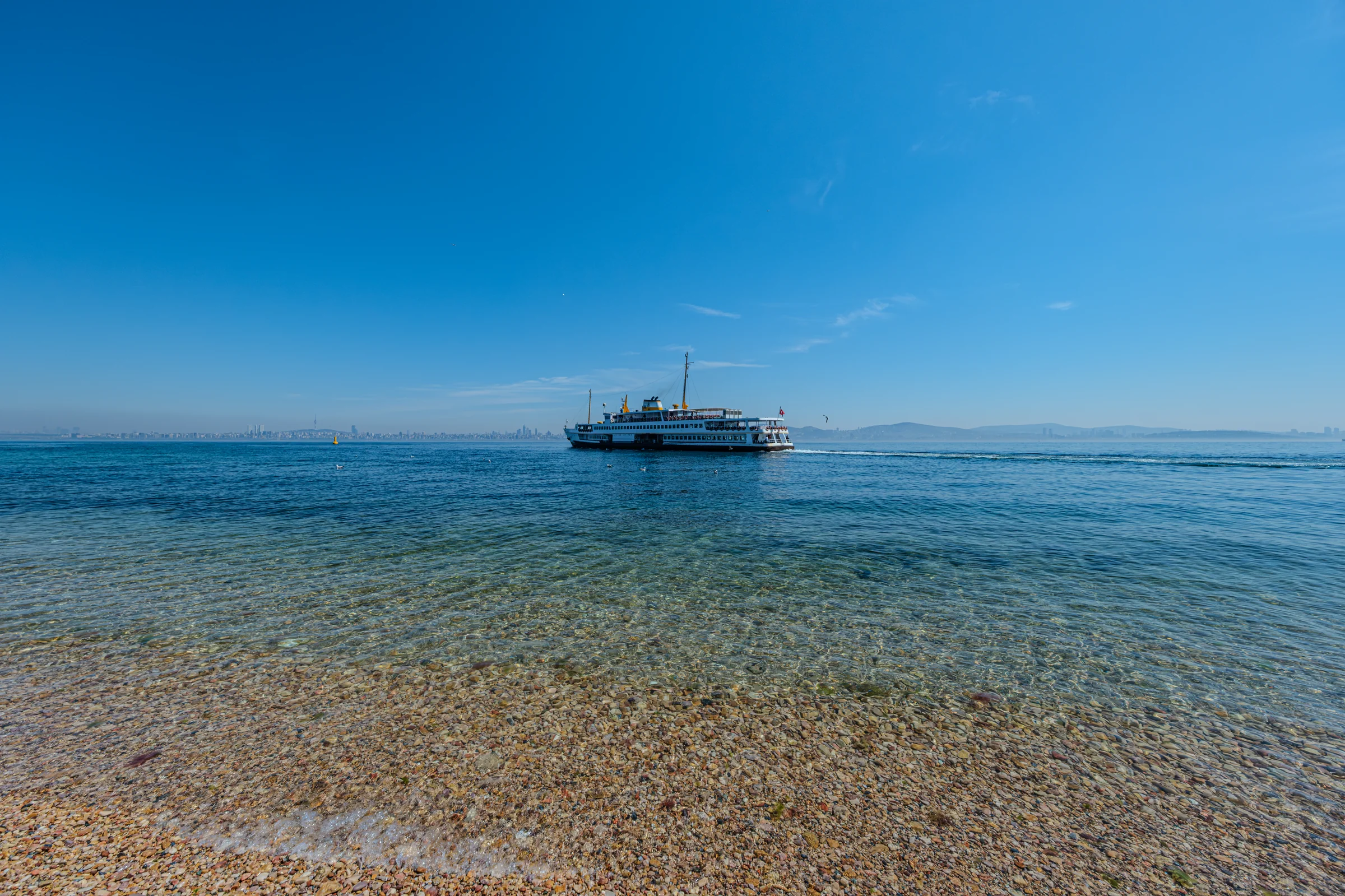
The best way to experience it is to take a local ferry (vapur) from Eminönü on the European side to Üsküdar or Kadıköy in Asia. Twenty-minute ride, seagulls following the boat, salty sea breeze, the whole Istanbul skyline slowly unfolding.
The Galata Bridge
The Galata Bridge spans the Golden Horn, connecting the Old City to the newer Beyoğlu district. The lower level is for fishermen and seafood restaurants; the upper level is the pedestrian walkway. Every evening the fishermen pull in their nets, the bridge fills with people watching the sea, and seagulls wheel between the lights and the dusk.
Istanbul is the kind of city you want to revisit. Coming from the snow-capped Caucasus, it was the perfect closing note for a Central Asia + West Asia trip.

