
Japan: Kyoto, Tokyo, and the Trains in Between
Japan is the kind of country you want to revisit no matter how many times you’ve been.
Kyoto
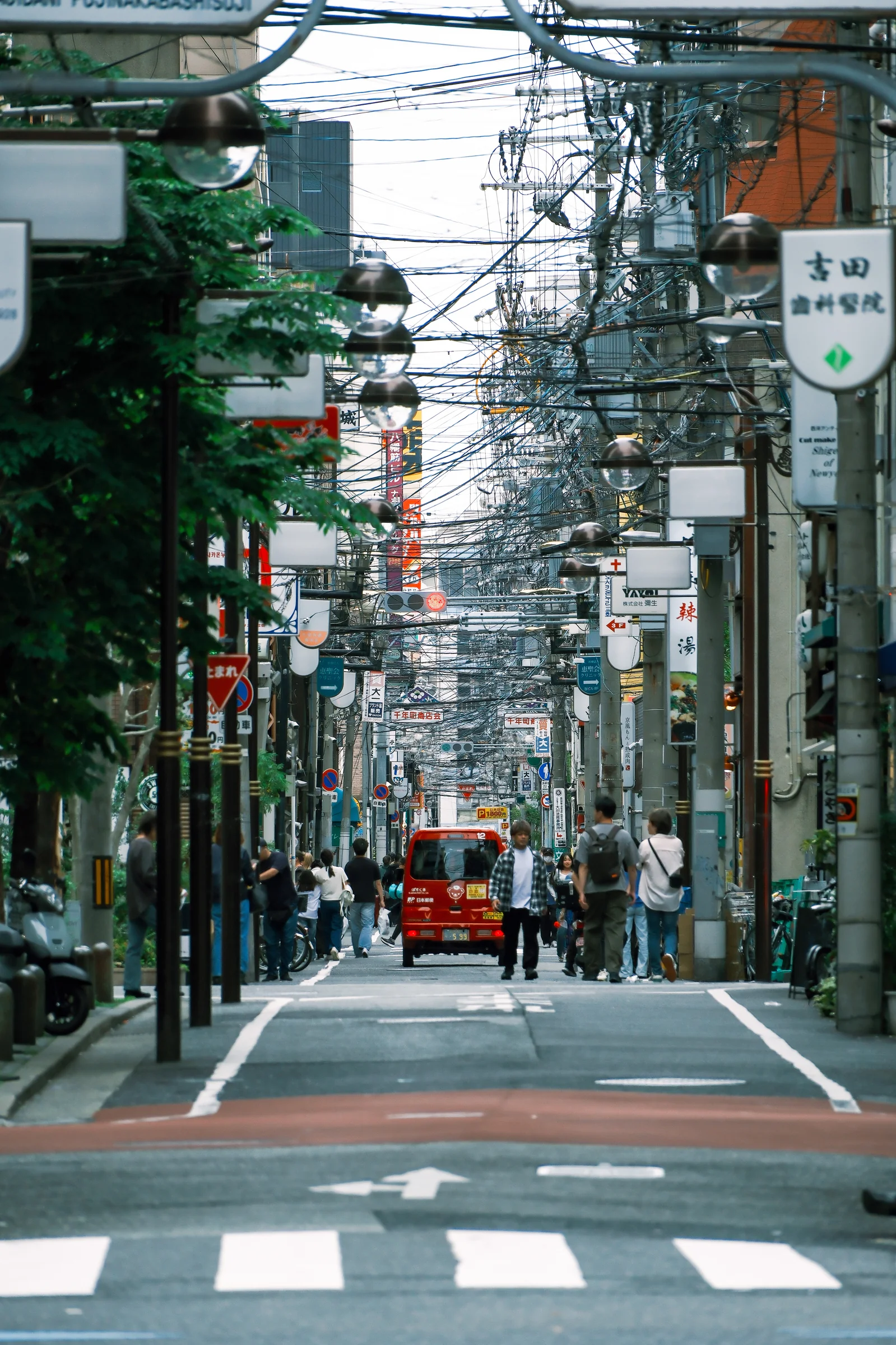
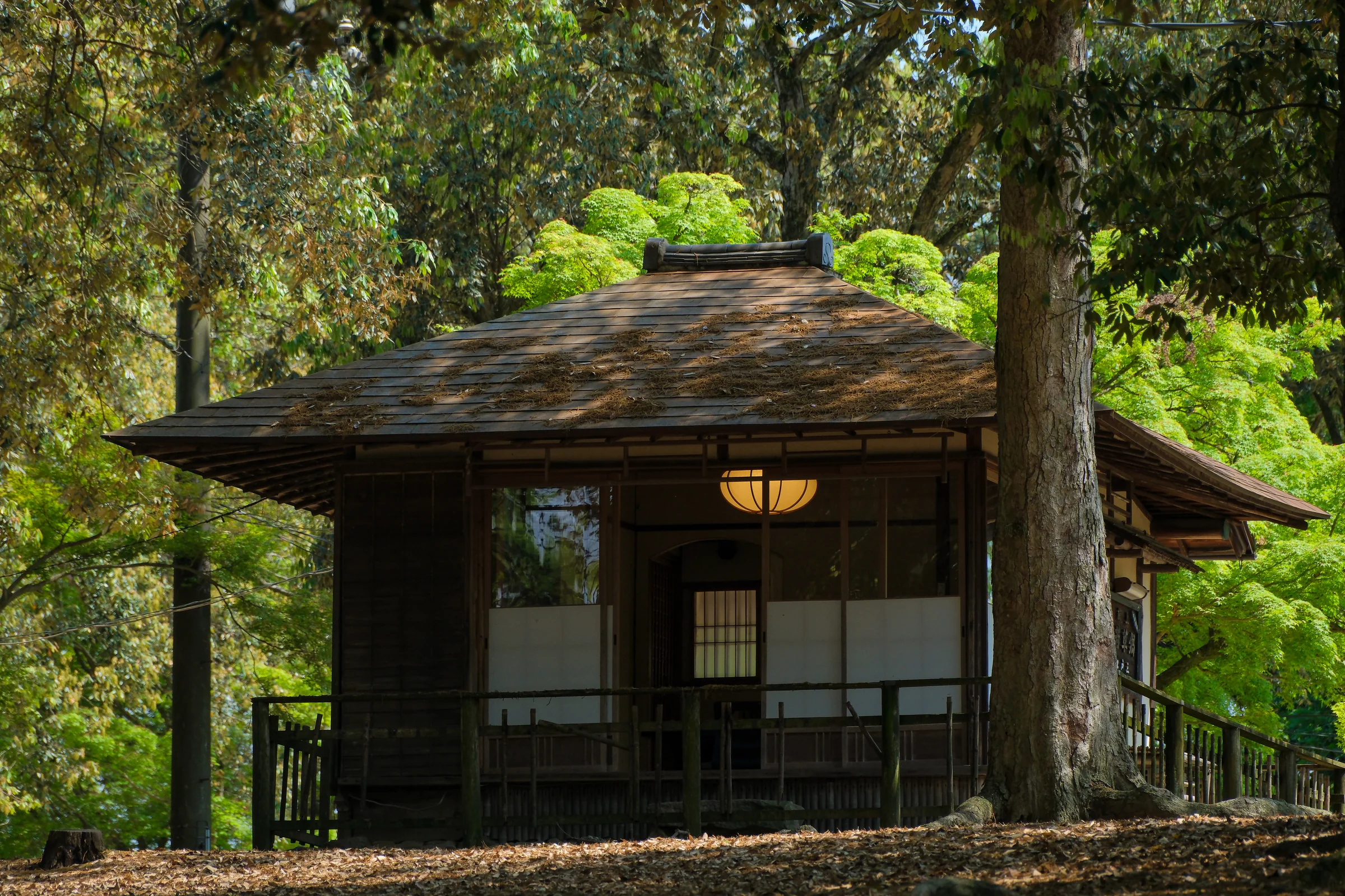
Kyoto is the cultural heart of Japan. Even after centuries of modernization, it still holds over a thousand temples and shrines. The wooden stage of Kiyomizu-dera extending over a cliff. The torii tunnel of vermillion at Fushimi Inari. The light in Arashiyama’s bamboo grove. The sound of geisha footsteps in Gion’s narrow alleys — every corner rewards slow walking.
The best seasons are cherry blossom in April and autumn foliage in November. Avoid Golden Week (April 29–May 5) and Obon (mid-August).
Tokyo
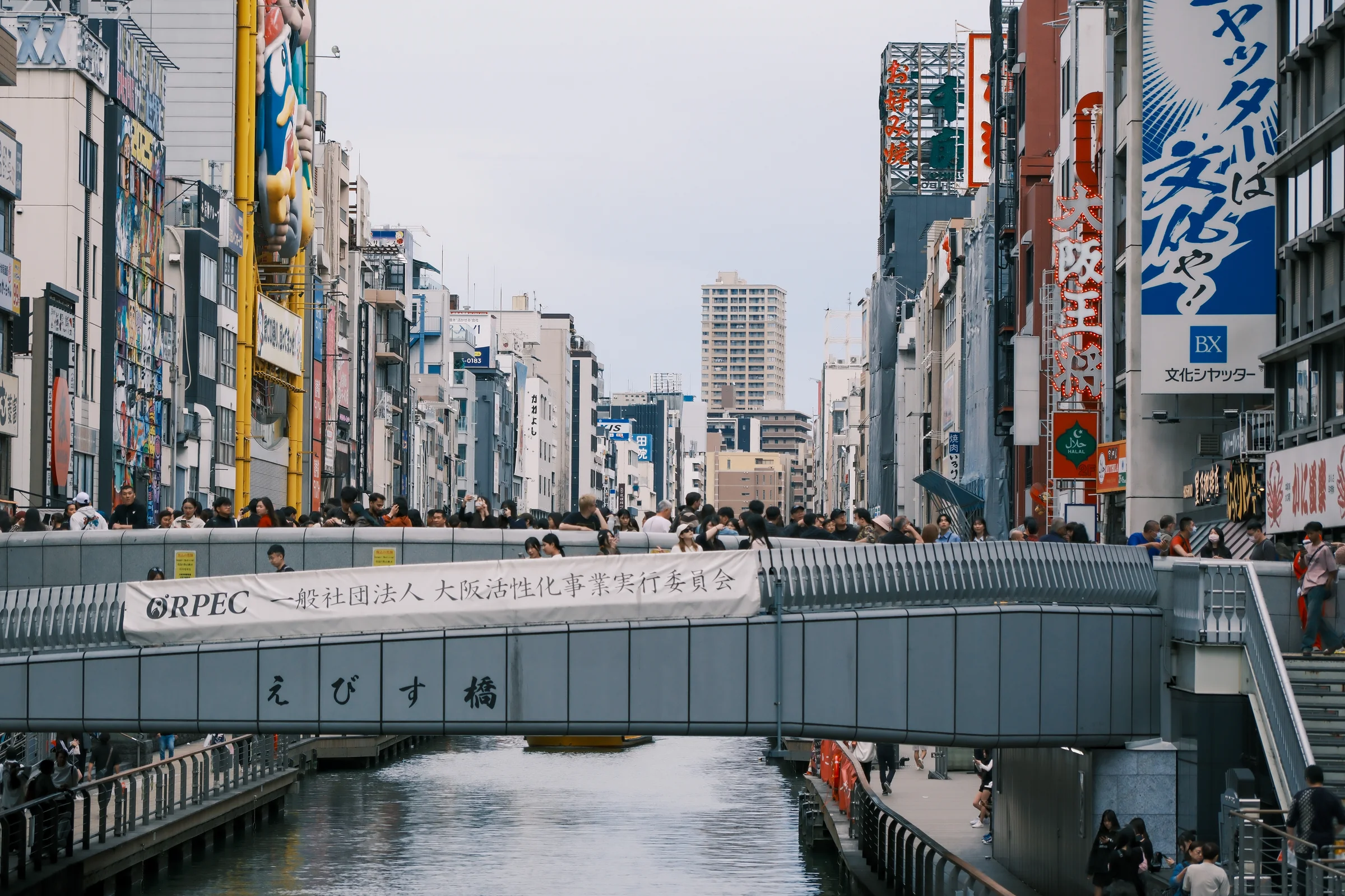
Tokyo is the opposite extreme. The pedestrian flow at Shibuya crossing. The neon of Kabukicho in Shinjuku. The anime goods of Akihabara. The department stores and bars of Ginza. The street culture of Harajuku — each neighborhood is its own Tokyo.
Tokyo’s real magic is its subway system. Switching from JR to Keio to Toei, three levels of transfer corridors sometimes reveal entire underground cities. Japanese trains run on a measured punctuality, the arrival time more accurate than your watch.
On the Road
The JR Pass makes travel effortless — Shinkansen from Tokyo to Kyoto in 2 hours 15 minutes, to Osaka in 2 hours 30 minutes. At Kyoto Station, buy an ekiben (station bento) from among hundreds of options, and eat it with Mt. Fuji sliding past the window.
Japan is the kind of country you don’t need a guide for — convenience-store rice balls, vending-machine drinks, late-night ramen shops, always there.

