From Jingshan Hill: Clouds, Sunset and the Whole City
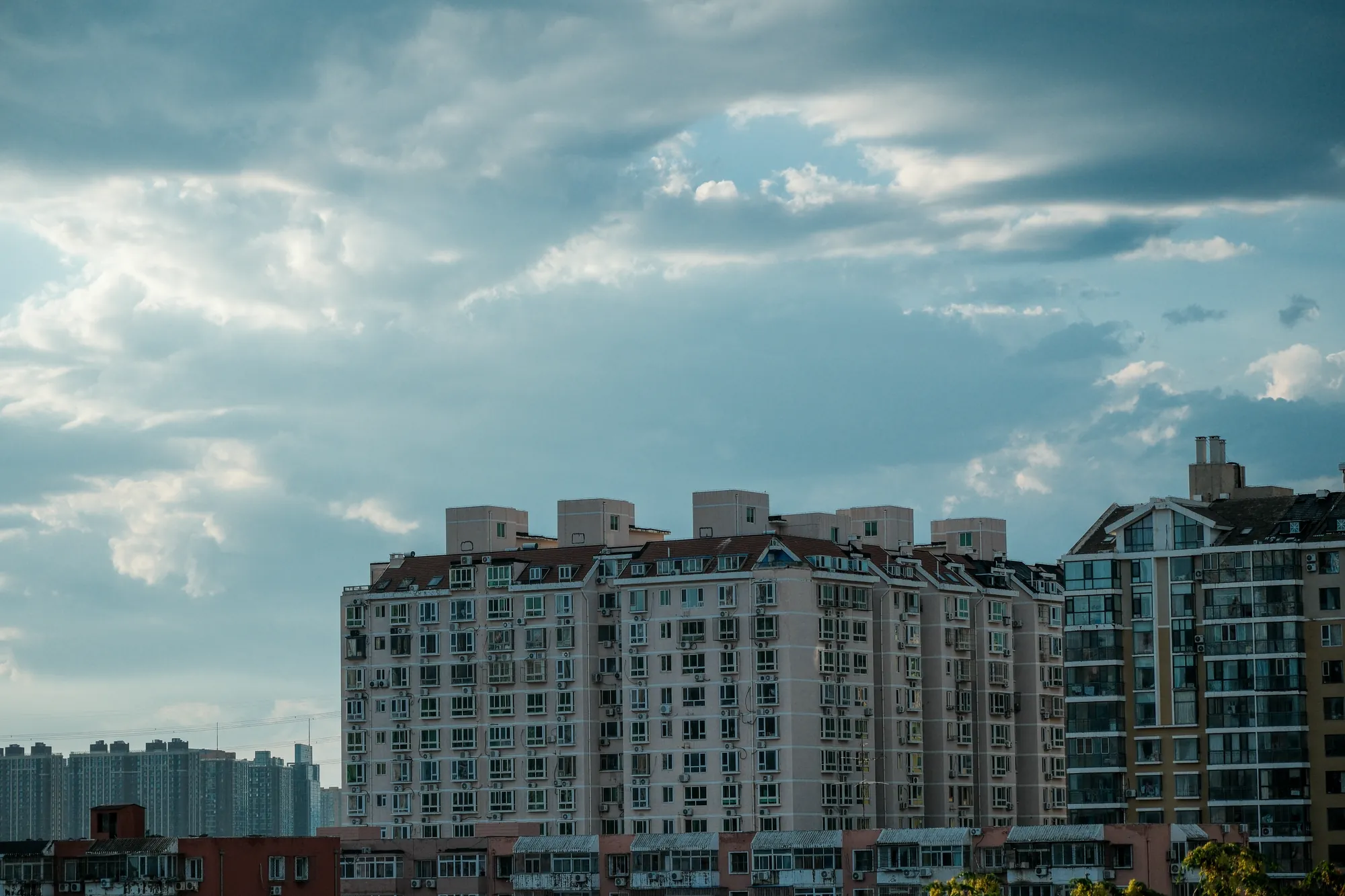
I went up Jingshan Hill meaning to photograph rooftops. I stayed a long time and kept the camera pointed at the sky.
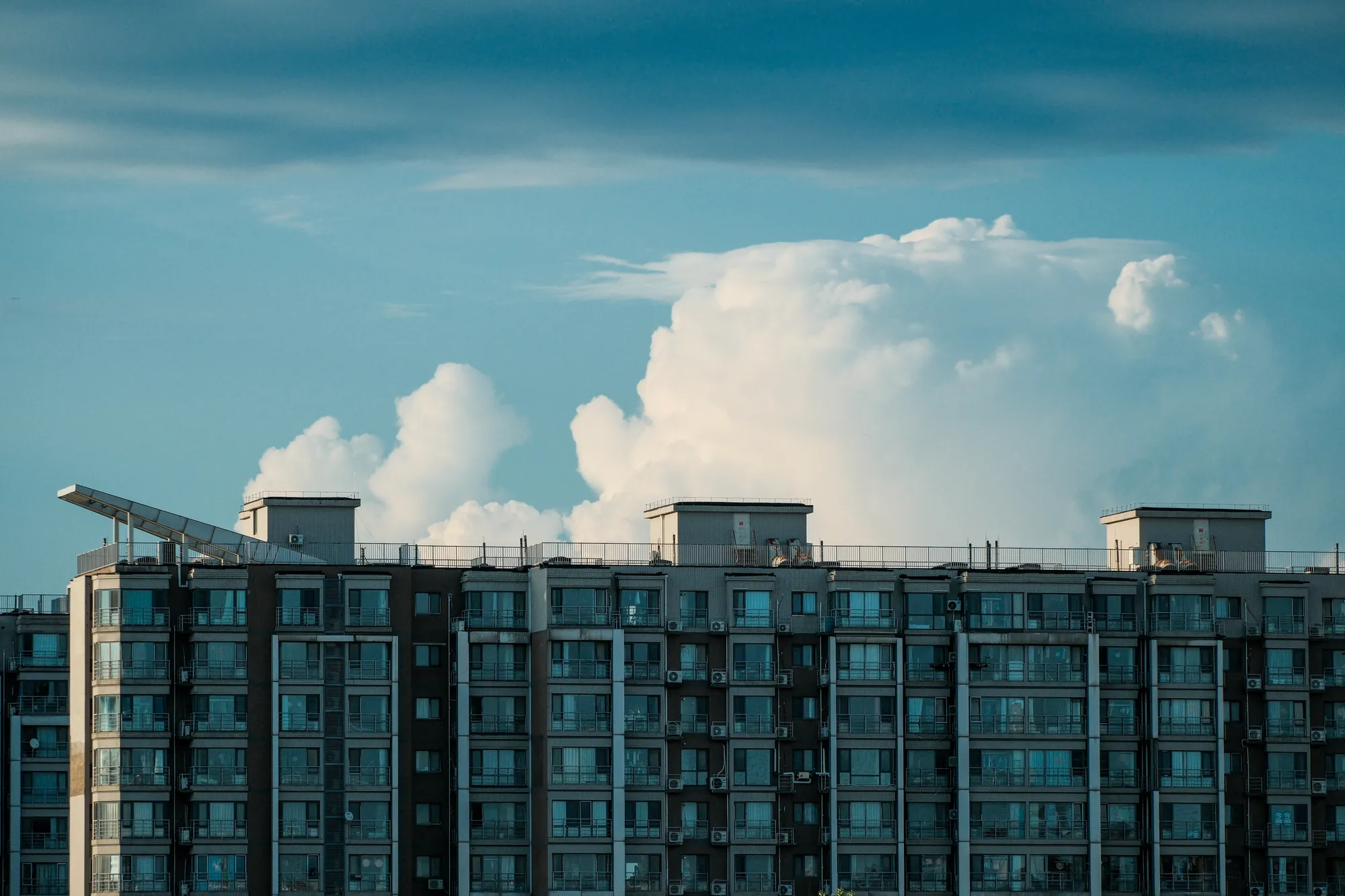
Clouds resting on the buildings
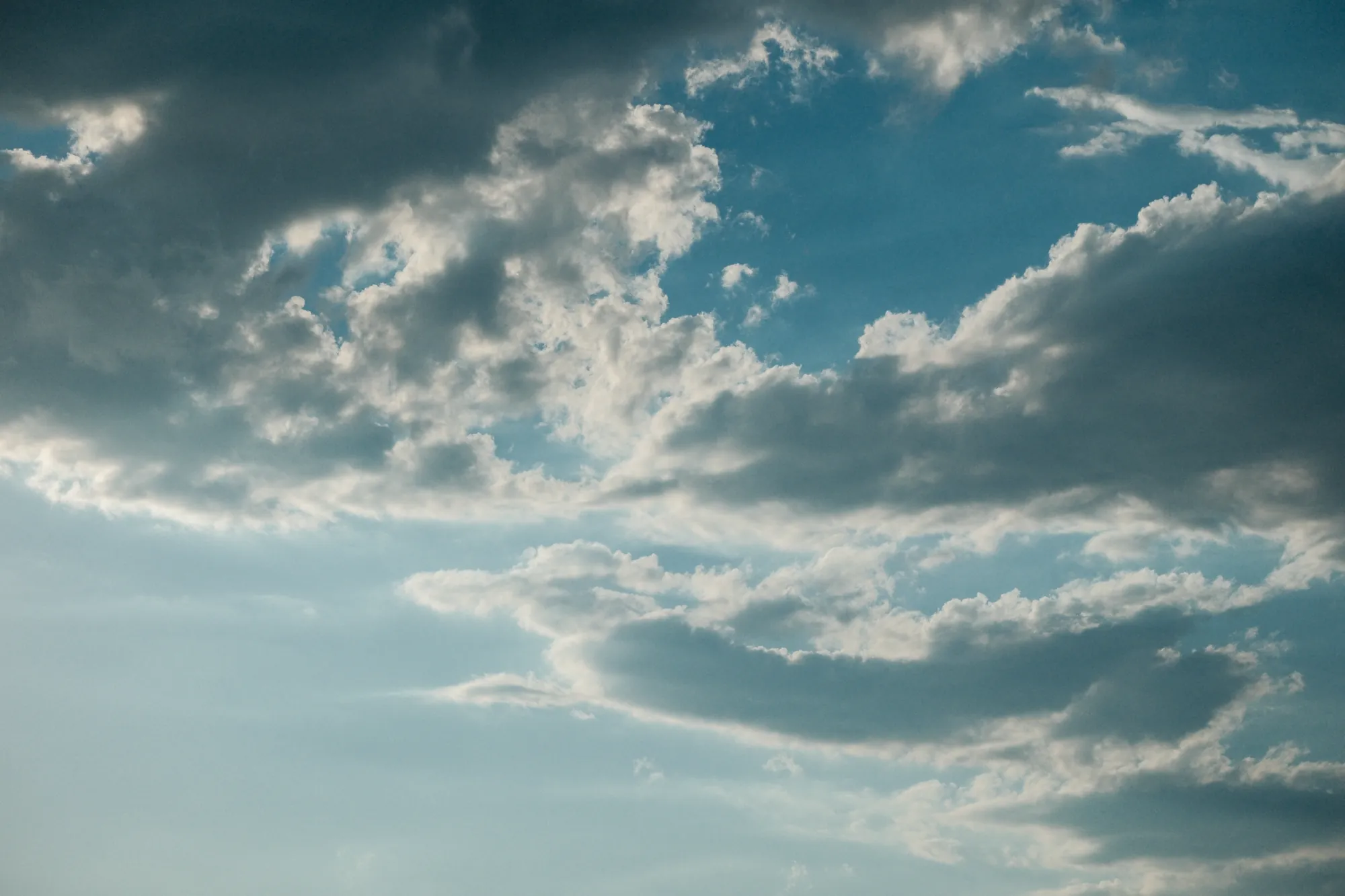
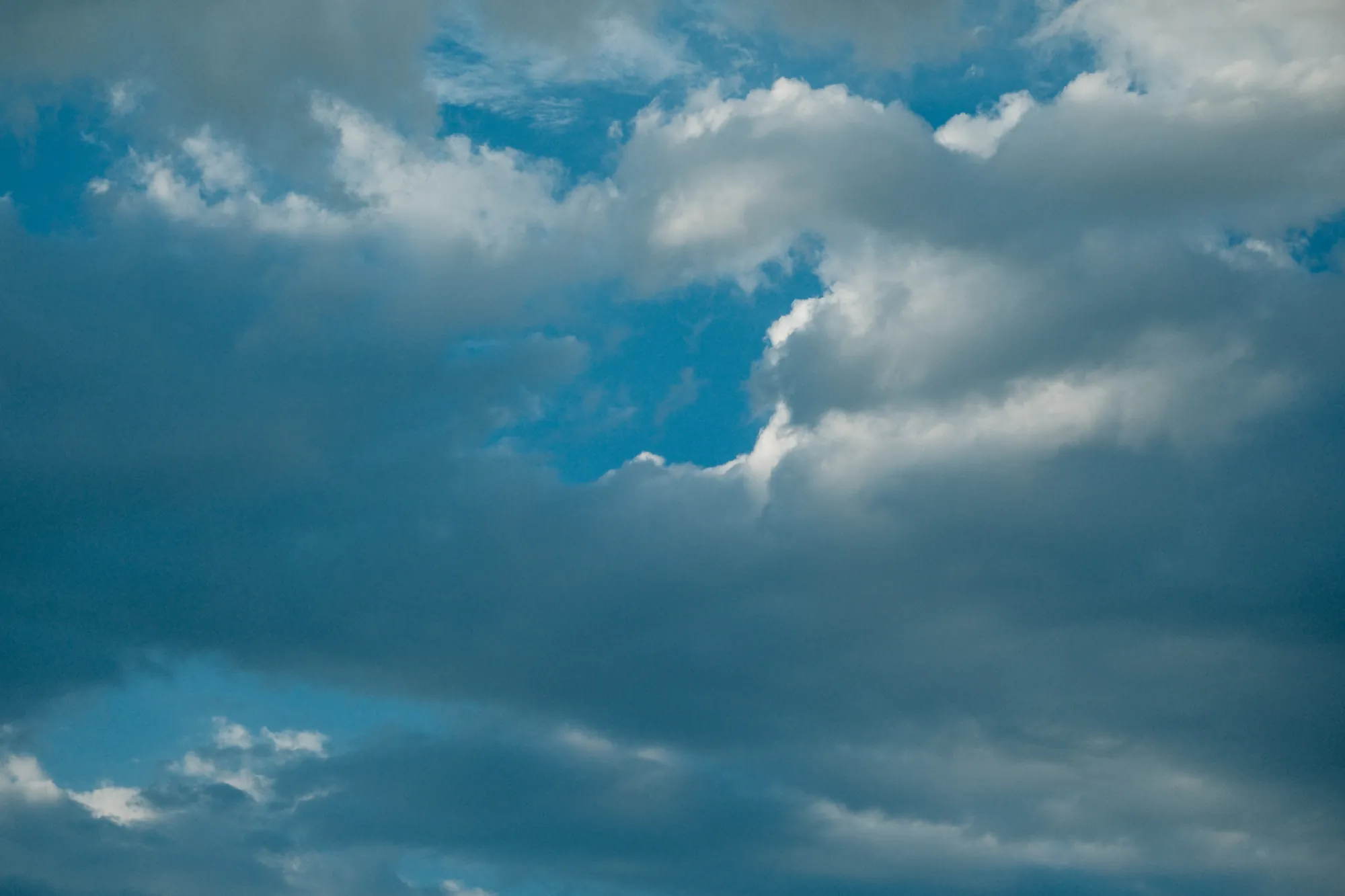
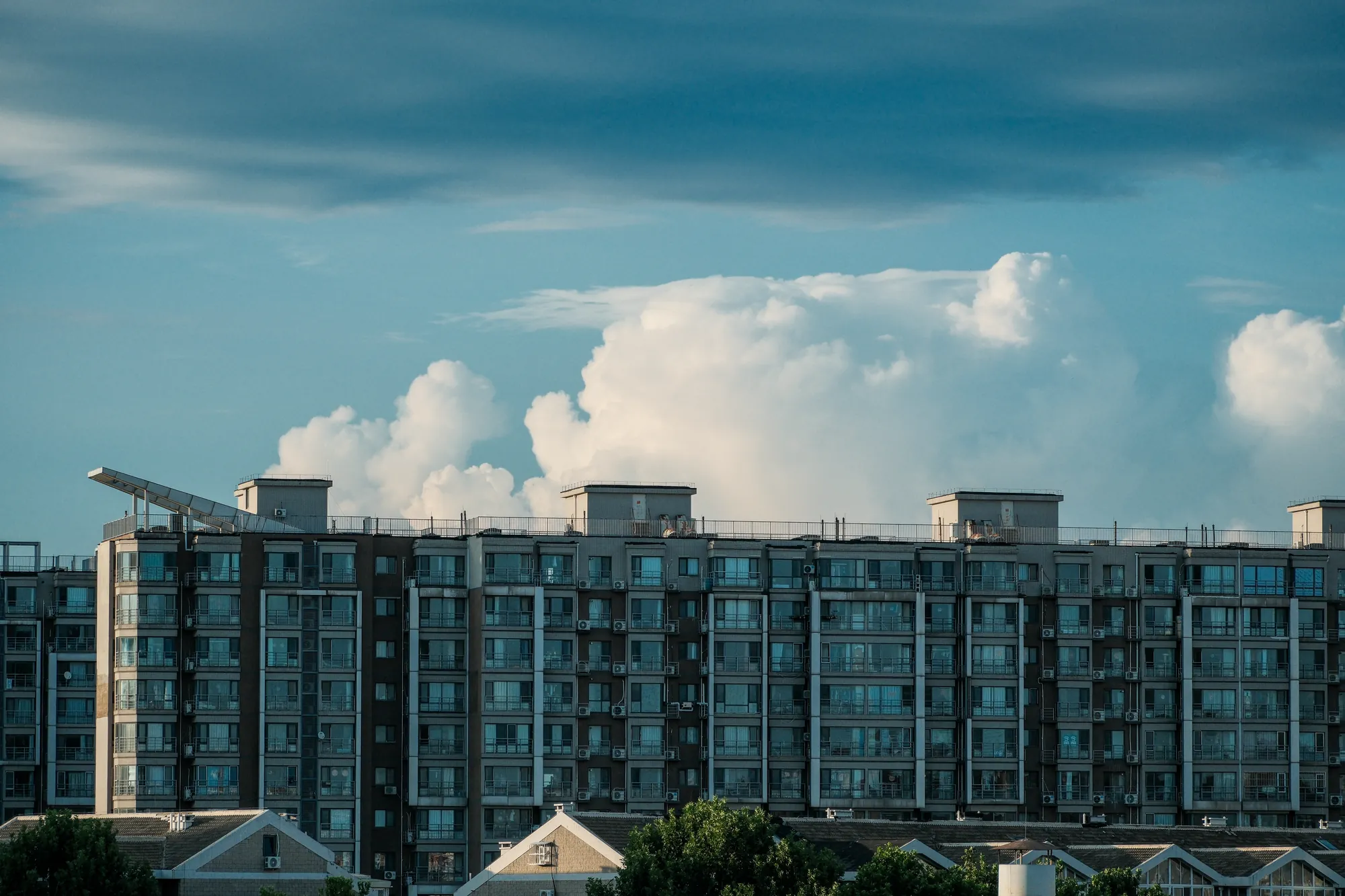
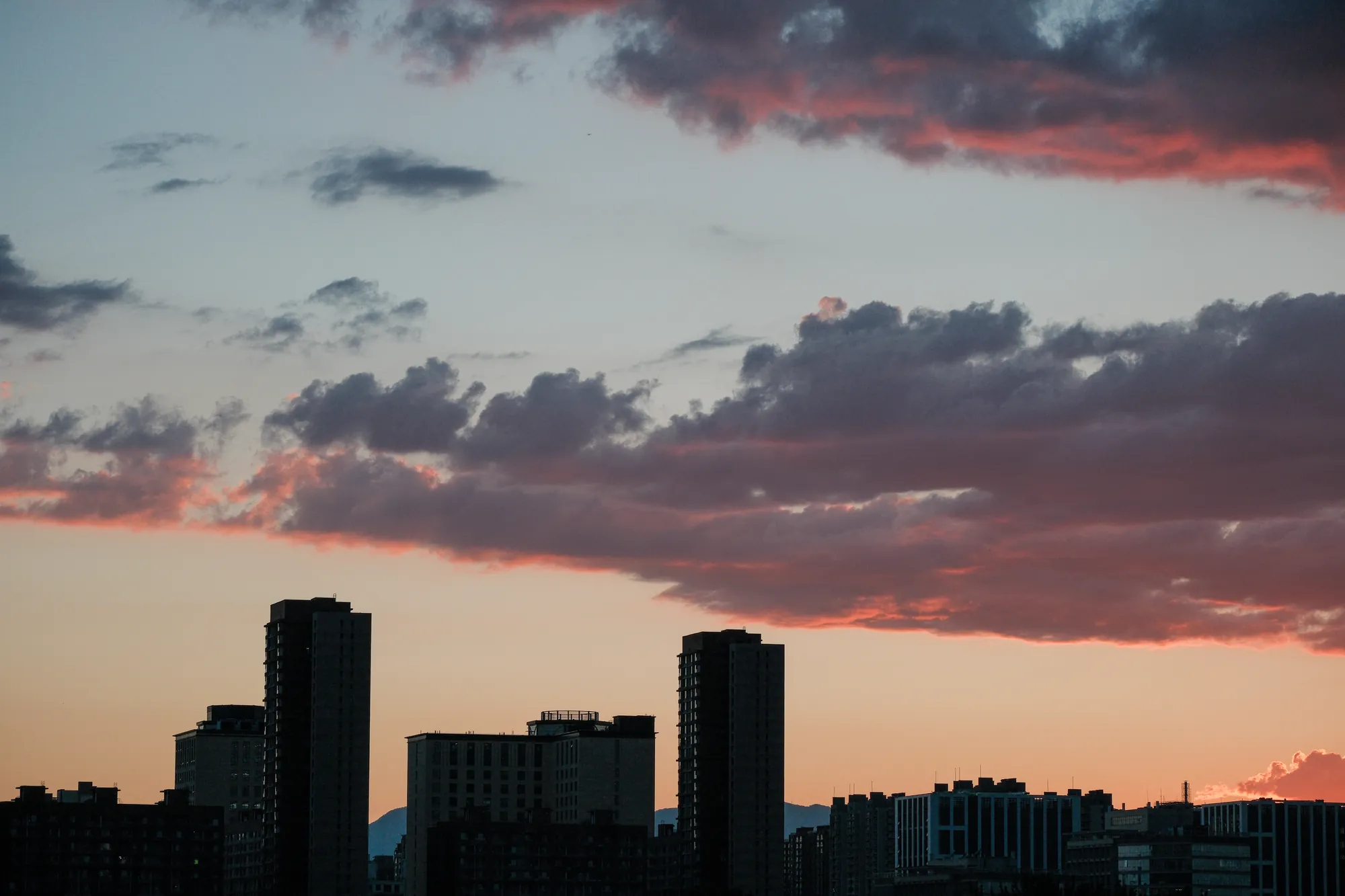
The first half was that very clean blue, with big cumulus clouds bright white and hanging low, sitting exactly on top of the row of apartment blocks to the north.
The clouds moved. The buildings did not.
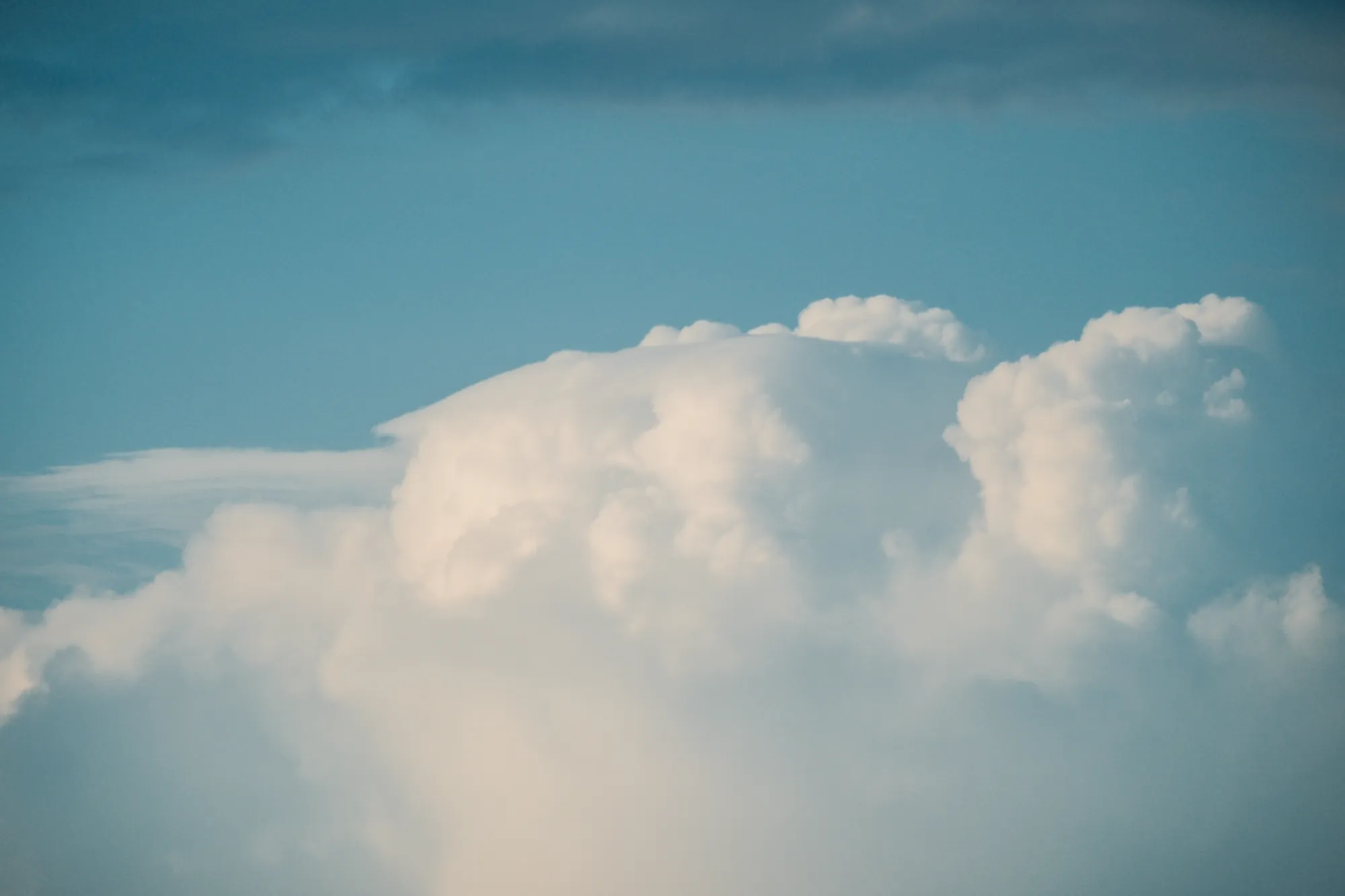
I took many frames of the same row, barely changing the composition. Only the shape of the cloud was different each time: a whole mass swelling up, then breaking into shreds, then only one edge still lit. By the end I was no longer photographing the buildings at all, but the few minutes it took a cloud to cross a rooftop.
The clouds catching fire
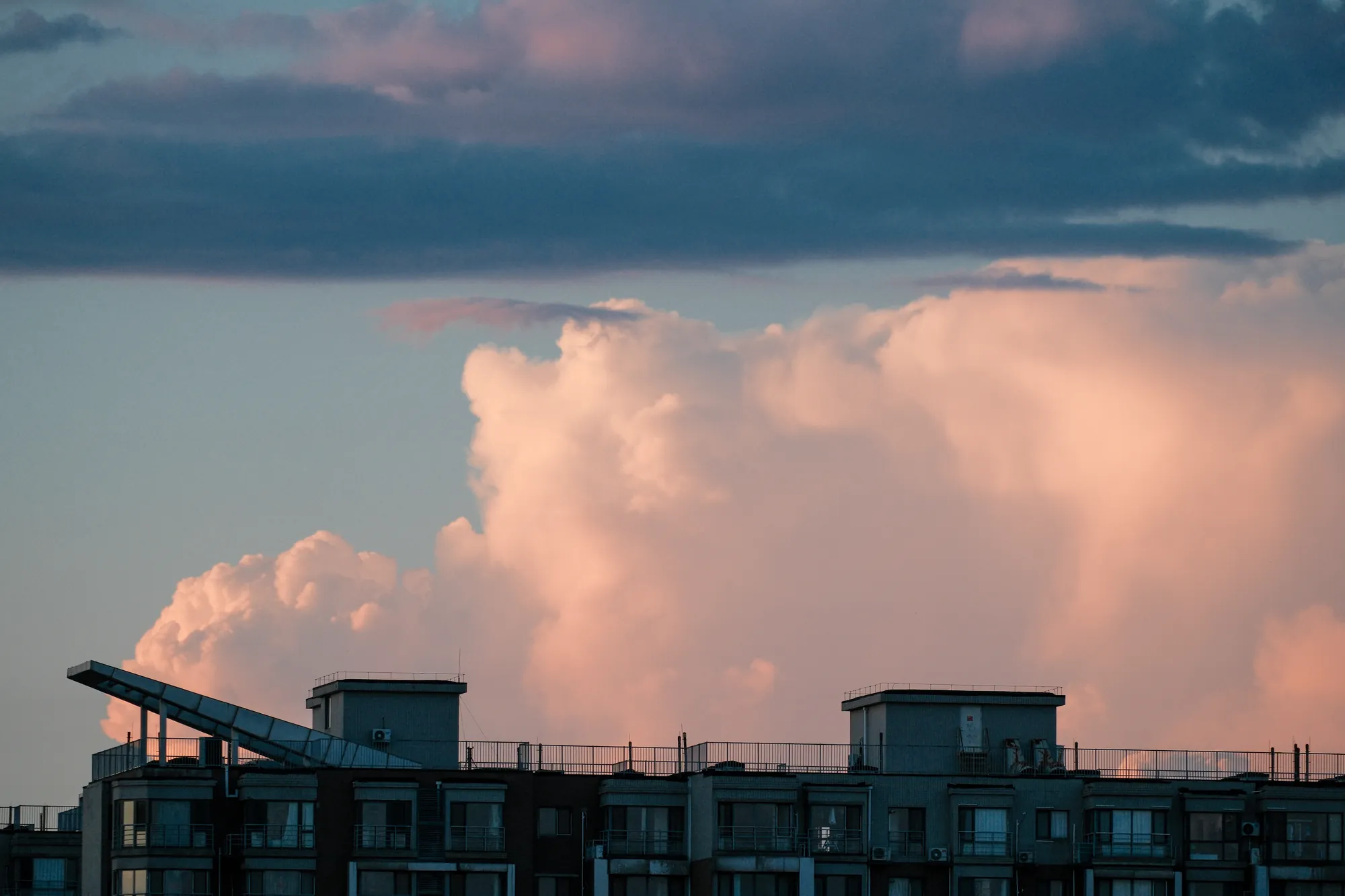
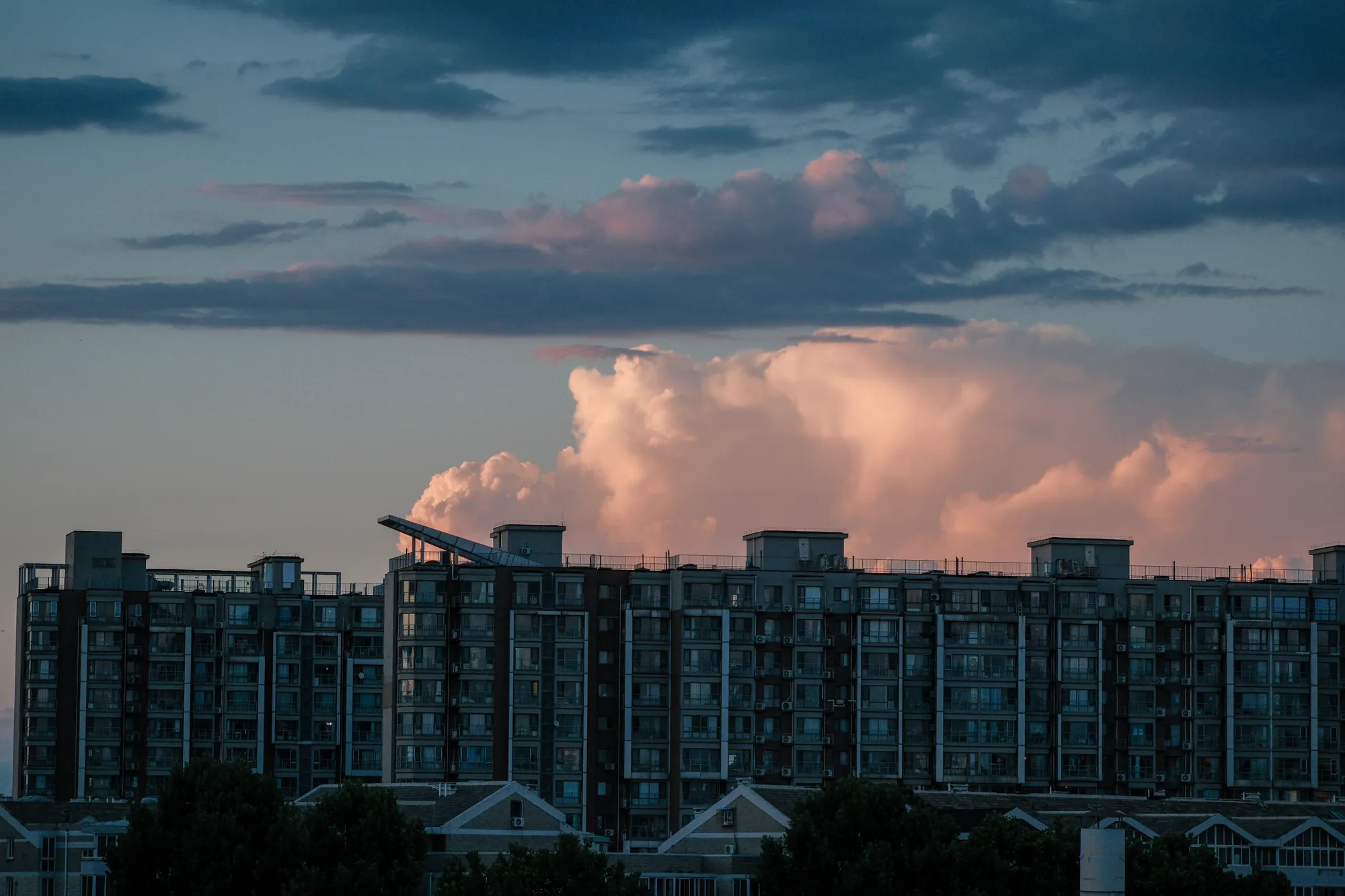
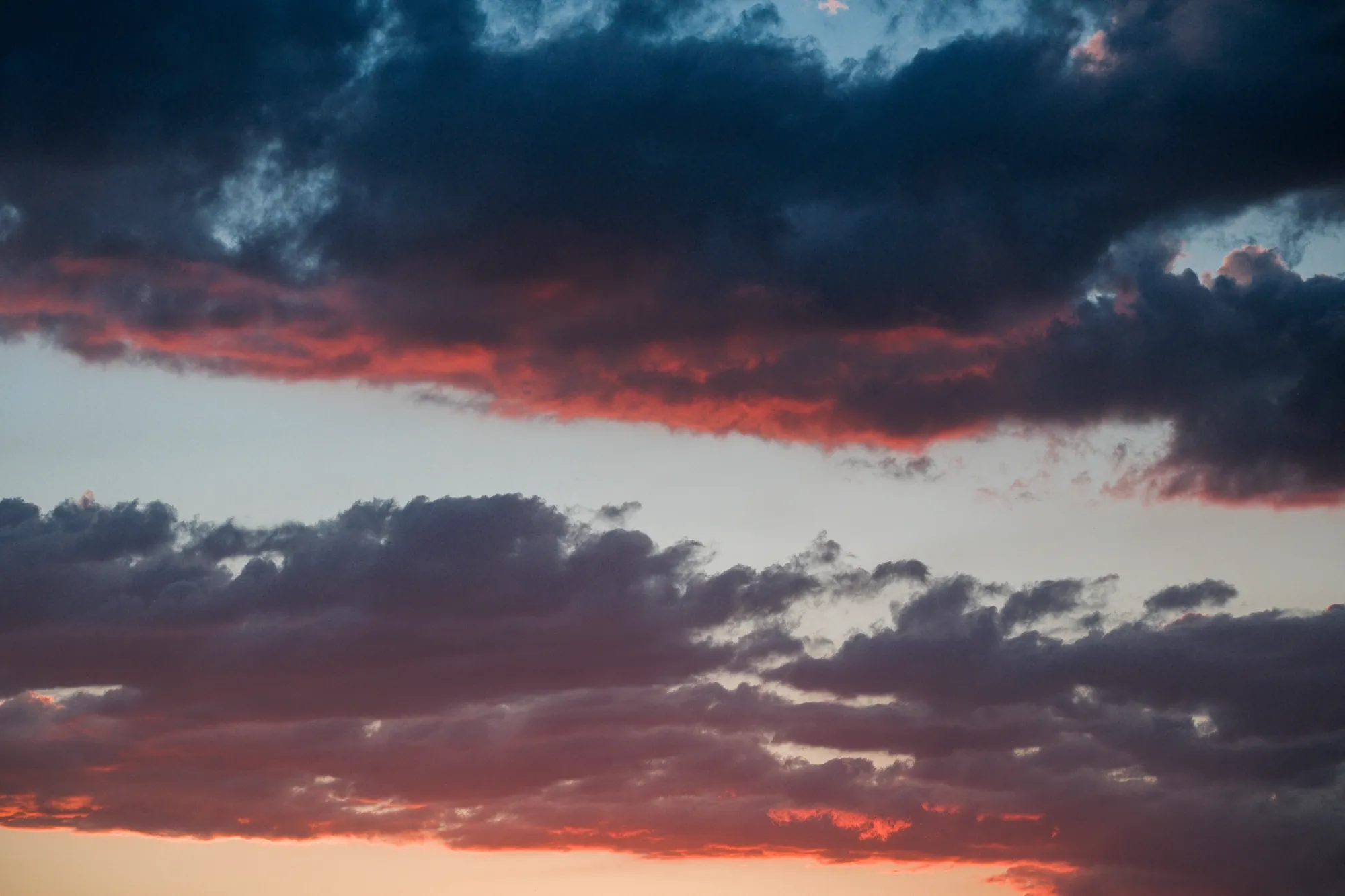
After the sun went down, the white turned pink.
First the big cloud above the apartments went orange-pink, still holding a cold grey at its rim. Then a violet-red spread across the whole sky, the clouds pulled into thin layered bands. Later the city was reduced to a single black strip along the bottom, with the upturned corner of a pavilion reaching in from the edge of the frame.
It changed quickly. In the photographs you can watch the colour retreat layer by layer: pink, violet, grey-blue, then dark.
Before it was fully dark
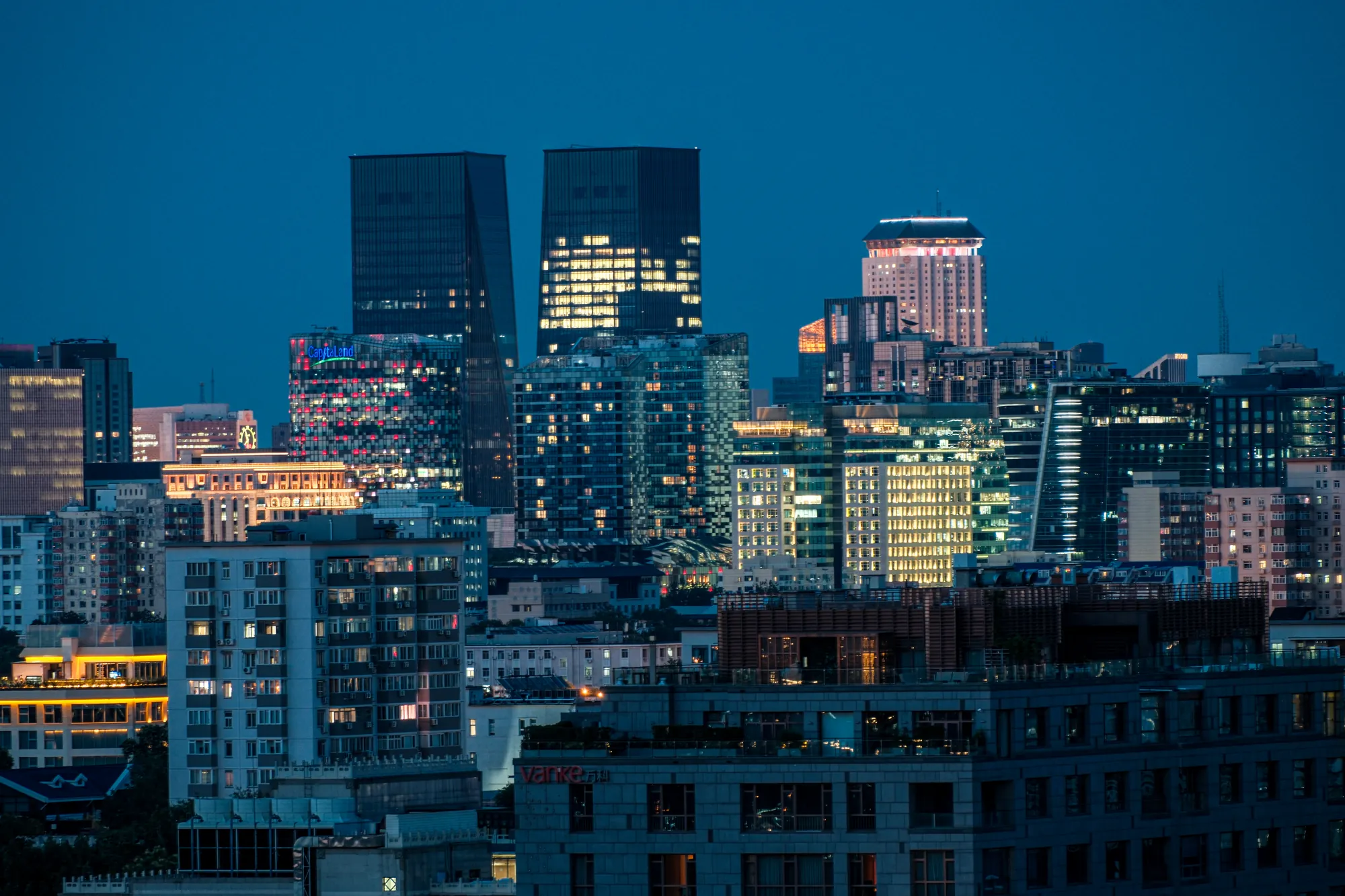
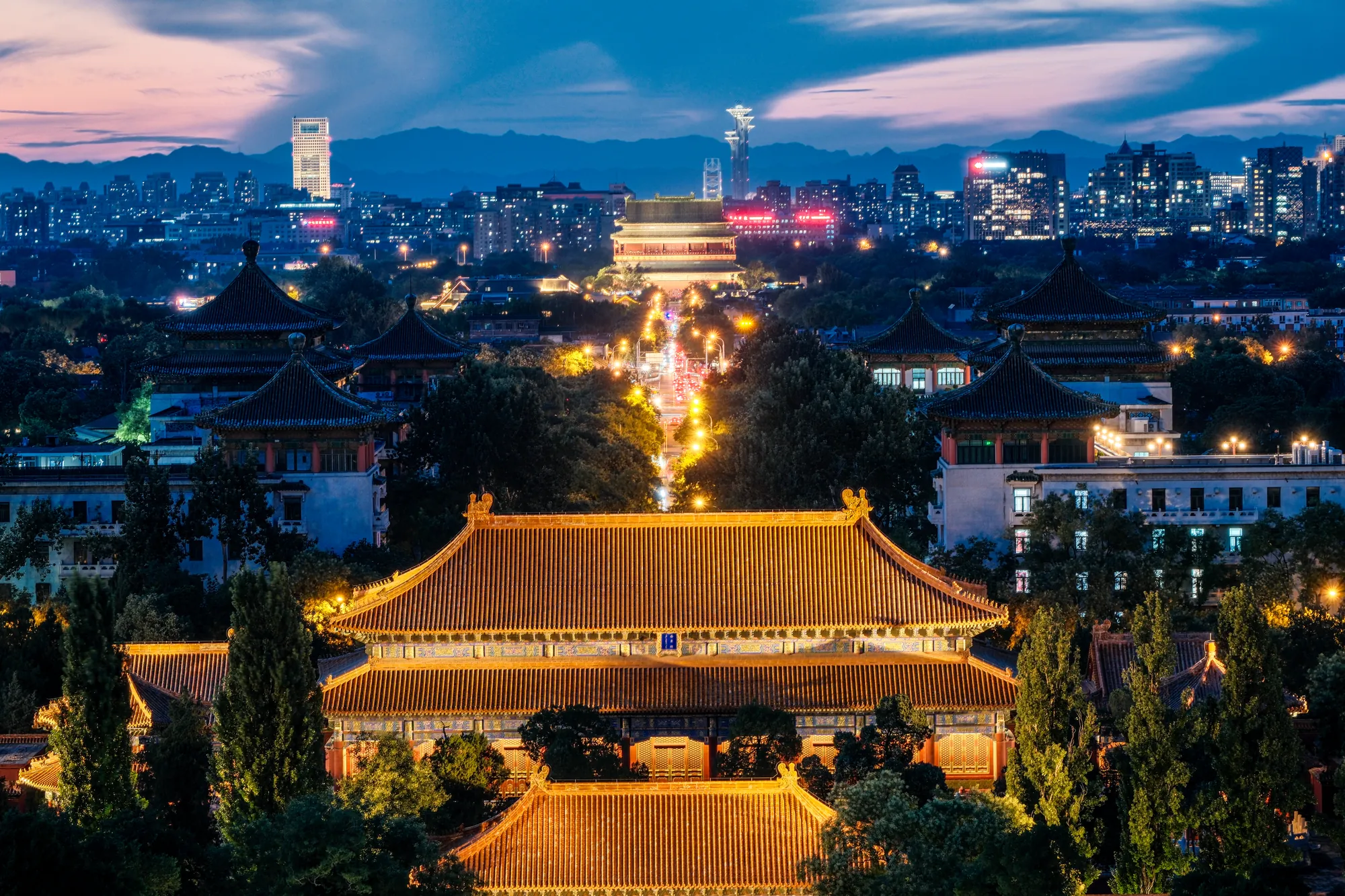
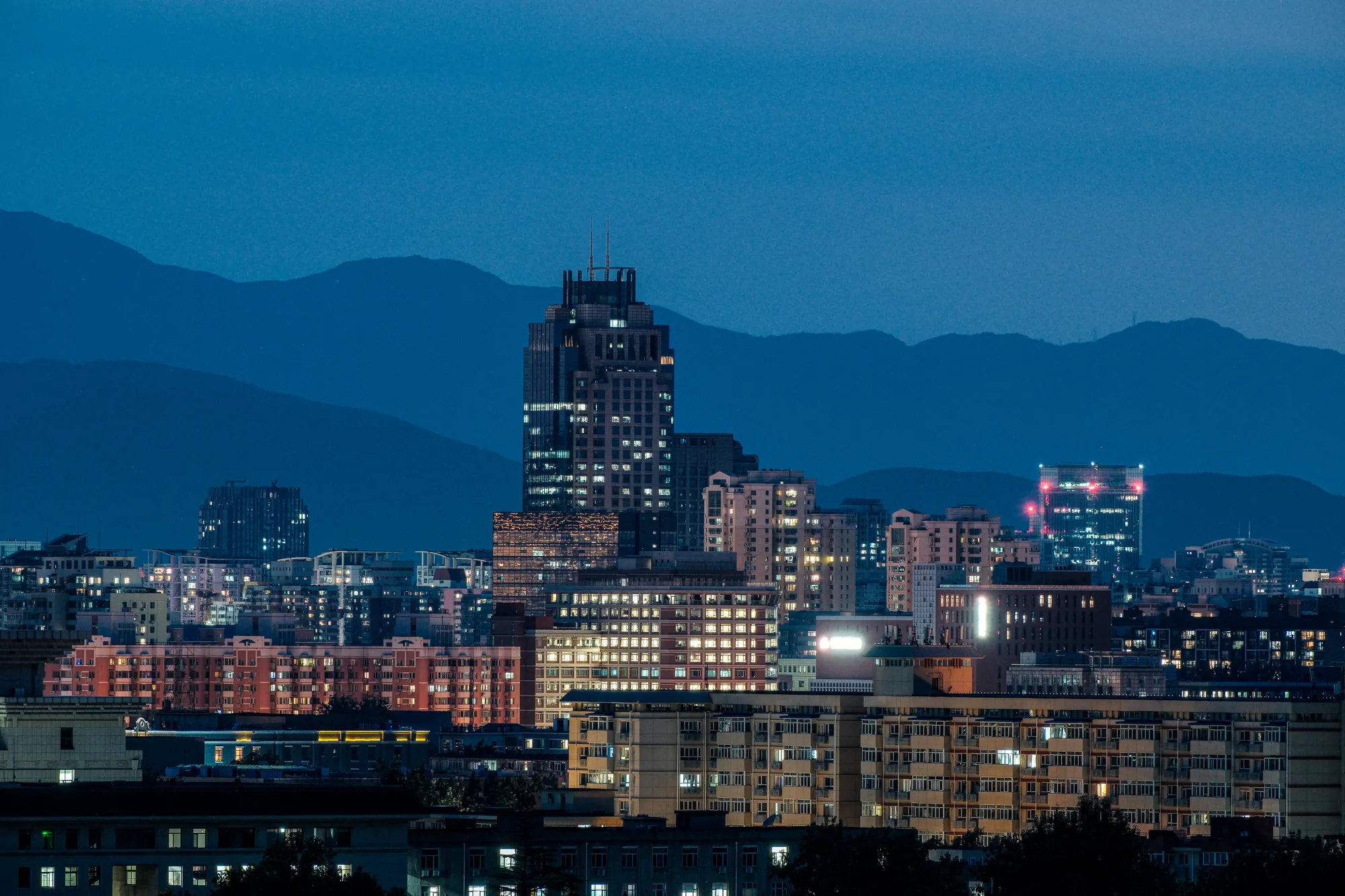
There was a stretch that I liked best: a little cold blue still in the sky, and every light in the city already on.
The glass of the tall buildings held the last of that daylight, square by square, with a continuous warm yellow underneath. Turn the other way and a field of golden glazed roof fills the foreground, lit from below, with the dense city running out behind it; in another frame there are hills further off and a single tower standing alone.
This is what the height is for. No need to choose — the weather and the city fit into one frame.
The moon and the white dagoba
Later the sky went a very deep blue.
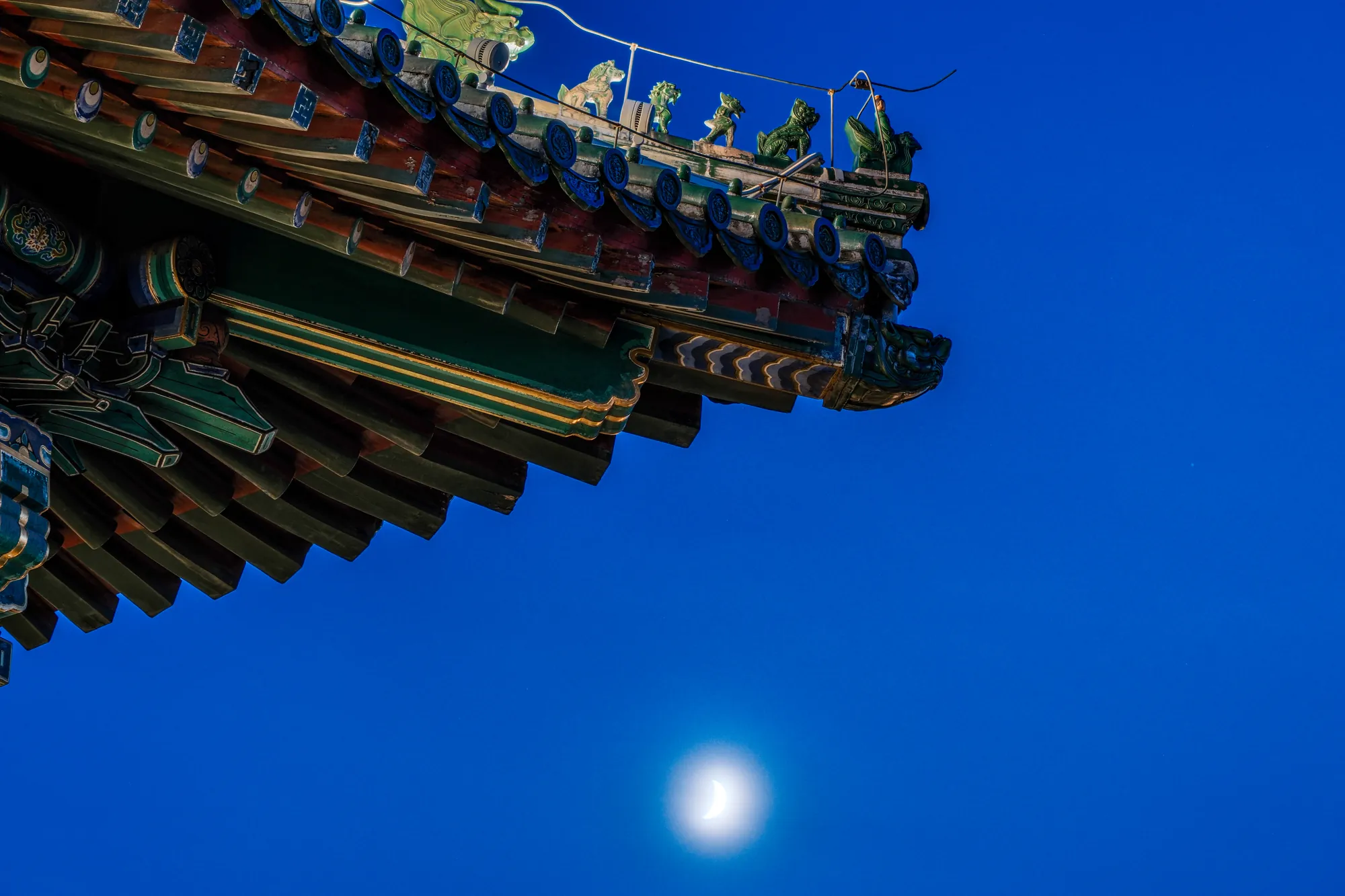
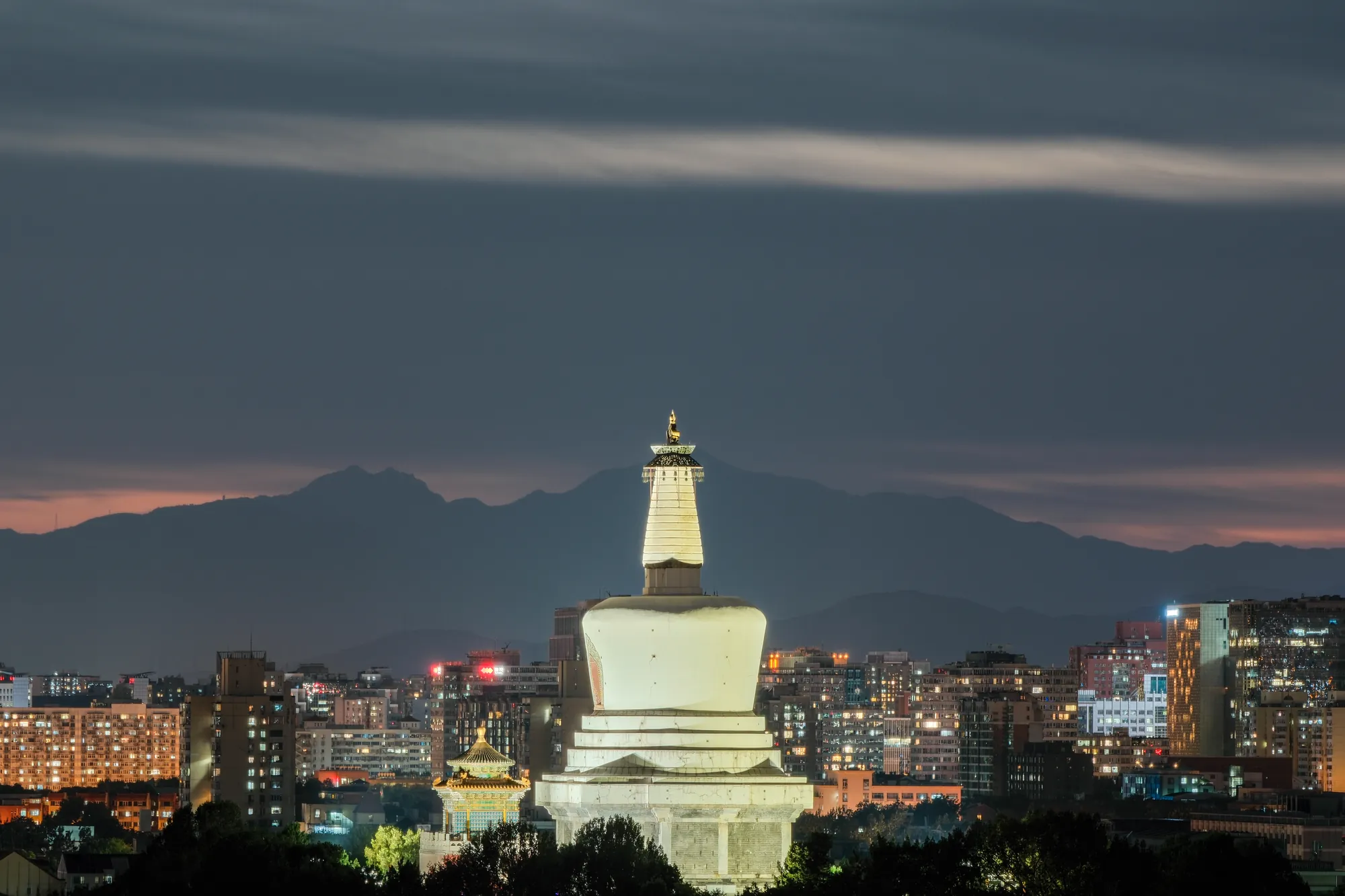
In one frame the upturned eave cuts diagonally into the picture, its fine ornament just visible, and the moon sits in the empty space beside it, small and clean. In another, the white dagoba is lit from end to end, the moon off to one side, and beneath it a whole field of city lights, warm and white and red mixed together.
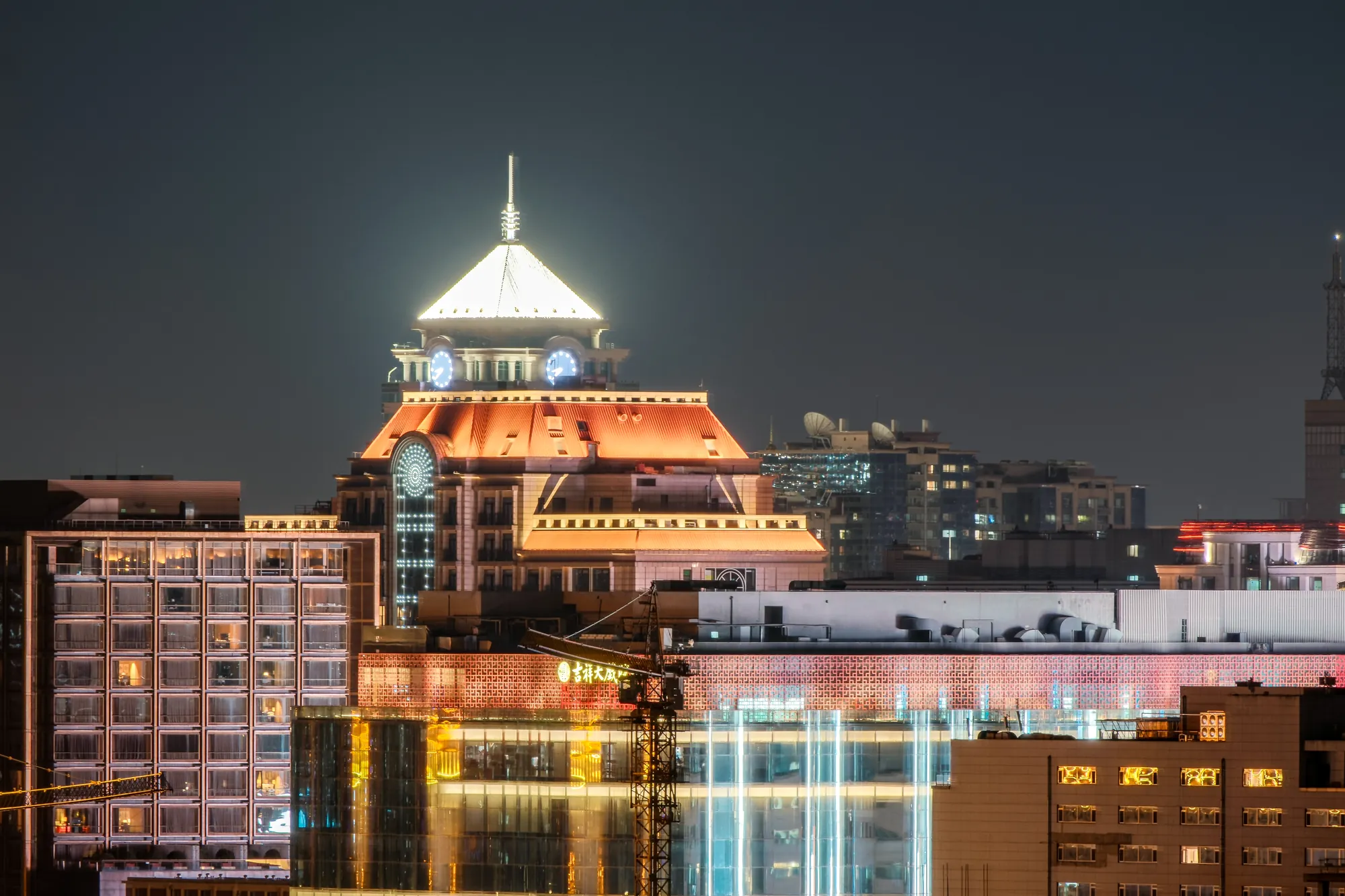
The last one is a floodlit traditional building, eave stacked on eave, outlined in orange against a black ground.
No landmark
Looking through the set afterwards, I realised there is almost no “sight” in it.
No sign, no gate, no one facing the camera; even that golden roof appears only in half a frame. It is all weather, light and city — things that change every day, though from the street you normally see only a small piece of them.
Jingshan is high enough to make that small piece whole.

